

All too often we never actually explore the cities we live in. When we think of travel and adventure, we tend to neglect what’s in our own back garden. So, with a couple of hours to spare and after some speedy internet research, I opted for a walking tour of London with London Walks. I chose a two-hour walk encompassing London’s Roman history, through the ages of great fires, plague, uprisings and rebellion to a sneak peek at London’s most modern architecture and the stories behind the buildings.
All walking tours with London Walks are £10 and there is no need to pre-book, you can simply show up.
On arrival at Tower Hill tube station, you couldn’t fail to see the meet point. Around eighteen eager and well-equipped individuals stood poised for the off around the Tower Hill Tram coffee stand. Our guide for the afternoon introduced himself as Ian, completed the expected pleasantries of where we were all from and with that, we hit the road.
Why we build the wall…
Our first stop took us through a small entry connected to the City Hotel, a few hundred metres from our start point. Unless you were clued up, one would never know that nestled at the back of the courtyard stands a section of the old Roman and Medieval city wall. The original Roman city of ‘Londinium’ didn’t originally have a city wall but after Boudicca attacked the city in the year 61 AD the Romans upped their defence game.
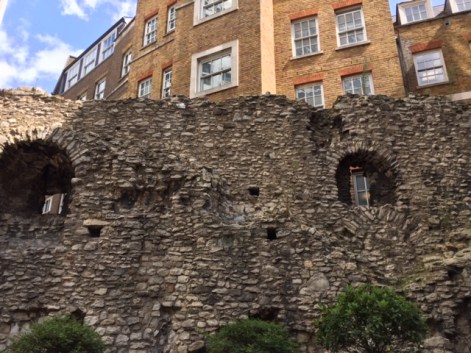
The distinct layers of the wall clearly show the Roman foundations with the later, Medieval additions. The wall outlined the boundary of the City of London which today is marked by the black bollards. We were certainly off to a promising start.

London’s burning!
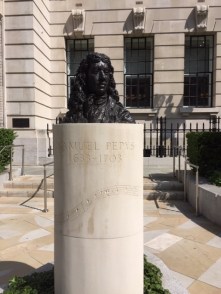 Famed for his diary, our second stop took us to a commemorative bust outside the Four Seasons Hotel. Just off the appropriately named Pepys Street. It was at this point, Ian, our guide regaled us with the tale of the Great Fire of London. Thanks to Pepys our knowledge of this point in London’s past is so detailed.
As an official in government at the time, the diaries of Pepys which of course he wrote in code; have significantly helped paint a vivid picture of London life for well to do Londoners and the poorer classes during the years 1660 -1669.
The Great Fire of London represented a pivotal moment for the city and Ian’s gripping and engaging storytelling held the group captivated.
If you were lucky, they would hang you….
Moving forward from 1666, we headed up to the top of Tower Hill to Trinity Square Gardens. This picturesque city lunch spot with an unobstructed view of the Tower of London was home to the gallows from 1381 – 1747. Public executions were a big deal. Executions drew crowds from all over the capital and organisers even built grandstands to host the masses baying for blood.
The tower hill scaffold saw high-profile executions of Thomas Moore, Thomas Cromwell, and even the Arch Bishop of Canterbury in 1381 Simon Sudbury. The latter being executed by a frenzied mob.
Our guide was keen to describe how prisoners were detained in the tower, tortured then brought to Tower Hill for execution. If you were fortunate, you’d receive a swift death by hanging or execution. Unluckier prisoners had to endure being dragged through the streets to the gallows, hung until near death, disembowelled and finally you were quartered! Things were pretty gruesome back then. Even if you were granted quick execution there’s a good chance that the axeman was drunk, so getting a clean cut first go wasn’t always guaranteed.

Looking at the lists of executed men it is clear that this spot played a bloody yet important role in London’s past.
‘Ring a ring o’ roses……..we all fall down.’
Sticking with the more unfortunate fates to befall Londoners, we made our way to St Olaves Churchyard. A year before the Great Fire took hold London was hit by a devastating bout of bubonic plague. The disease swept through the city and no amount of wealth or piety could keep it from your door, 15% of the London population died.

St Olaves Church is noteworthy for three reasons, initially, it was the final resting place for many plague victims. Second against all odds the church dodged the Great Fire and finally although significantly damaged it withstood the worst of the Blitz during the Second World War.
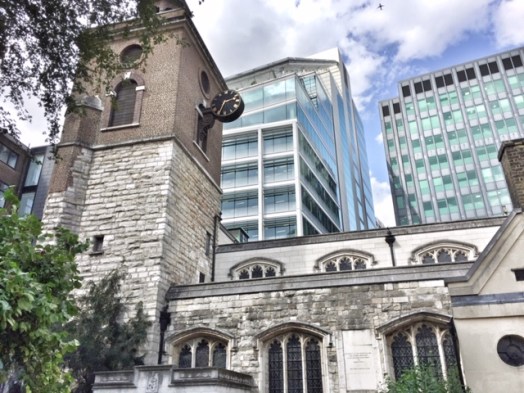
A plucky little church, with a considerable history and well worth half an hour of your time.
French Ordinary Court
As our tour meandered through the city, we passed through a particularly nondescript passage called French Ordinary Court. Our guide explained the passage had taken its name from a restaurant once on the site called the French Ordinary. Frequented by the French ambassadors and diplomats during the 1700s the French Ordinary was apparently the only place in London where you could find top-notch French cuisine; certainly not a problem for London foodies today.
As we wandered past countless other street names I mused on the backstories and origins. I would love to uncover the reasons behind some of the name choices. If you’ve got a good story, please let me know.
It’s all about shipping
It had never occurred to me that London had such a rich background in shipping. Ian, our guide was keen to direct our attention to a behemoth glass structure with all the industrial elements pulled from the inside out. The building at 71 Fenchurch Street is the Lloyds Register and is the architectural triumph of Richard Rogers.
Ian explained in some detail the history of the Lloyds Register and how the insurance of ships has been big business for London throughout the centuries. Lloyds even insured the ‘unsinkable’ Titanic.
Gherkin vs. The Romans
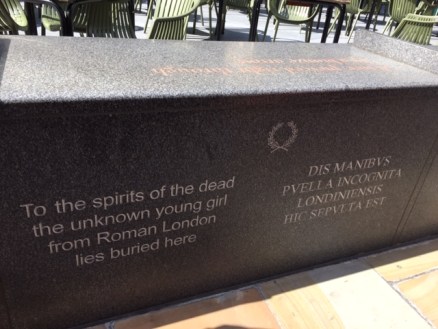
Without doubt an architectural triumph, however, the Gherkin site we learned has a 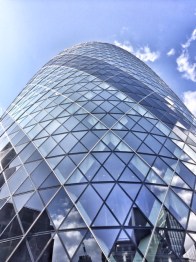 much older past. The building on the site survived not only the Great Fire but the Blitz. However, an IRA bomb destroyed the area making way for the Norman Foster masterpiece we see today. During its construction, the body of a Roman girl was found. In 2012 the authorities felt it right to give her a formal funeral and rebury her as close to her original resting place as possible.
This stop was another reminder of just how extensive London’s history is and that the Roman settlement of 2500 years ago really has shaped the city we live in today and is always there just underneath our feet.
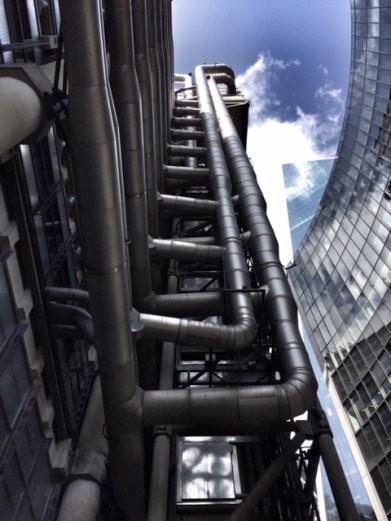
Inside out monstrosity or architectural genius?
Ian, our guide was incredibly well informed on the architecture of the city and after leaving the mighty shadow of the Gherkin we were then introduced to another of Richard Rogers bizarre inside out structures, the Lloyds building. However, as Ian explained the Lloyds building is not all exposed metalwork and bare corkscrew shafts snaking their way up the building exterior, no, the top floor holds a secret. Apparently, for those lucky enough to be invited, there is an original Robert Adams 18th Century dining room occupying the top floor. Our guide sadly wasn’t able to tell us how to snag a dinner reservation.
Meat, Butterbeer and Victorian opulence
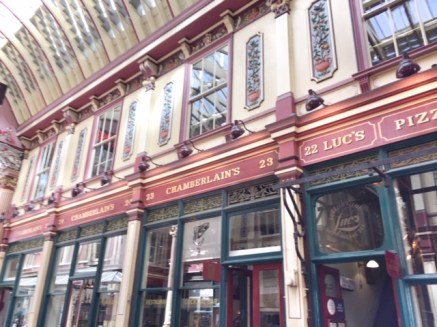
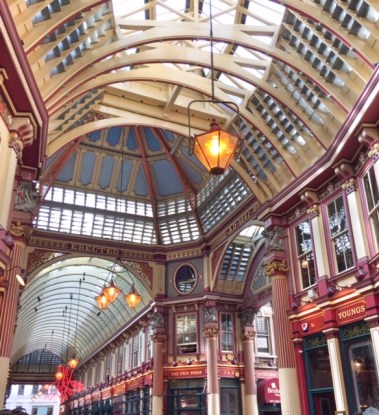
Next up on our adventure into London’s past was the Leadenhall Meat Market. An opulent Victorian structure with gilded wood panels painted in rich primary and secondary colours. All very elaborate for a meat market. Outside each shop front, the old hooks for hanging the meat still remain and are even in use by one of the restaurants. Sadly, its meat market days are over but you can enjoy a decent meal and a little bit of shopping in this fabulous building.
One of the highlights of the tour came as we were leaving the market when Ian directed our attention to a thoroughly inconspicuous section and shop which Ian informed us was, in fact, the entrance to Diagon Alley and the humble opticians was the Leaky Cauldron. This little fact nugget left my heart racing and has inspired me to check out on to the Harry Potter walking tour also offered by London Walks. Maybe my own lost owl will catch up with me over a butterbeer? Who knows?
Dickensian glory and Hellfire…but make a reservation.
The restaurant that never opens. If it’s a swift pint, you’re looking for in the City of  London then the George and Vulture is not the establishment for you! But if you find your self on Lombard street between the hours of 12 pm and 2.30 pm, then get yourself to the George and Vulture. Dickens was an ardent fan, citing the restaurant over twenty times in his novel The Pickwick Papers. But the Dickensian link is not the George and Vulture’s only claim to fame. Once the home of Sir Francis Dashwood’s infamous Hell Fire Club the George and Vulture was the meeting place of London society whose who during the 1740s & 1750s.
Rum, Sugar & Slaves Jamaican trading fuelled by coffee
Turning the corner from the George and Vulture, you come to the Jamaica Wine Bar, once the Jamaica Coffee Shop. Today it’s fairly normal to have a working lunch or a breakfast meeting then return to your desk to crack on with the ‘real work.’ However, during the 17th and 18th Century, businesses didn’t always have their own office so, naturally business had to take place elsewhere. Elsewhere ended up being coffee shops. Each coffeehouse had an affinity with a particular business or trade. The lost world of the London Coffee House is definitely I am going to read up on. However, for the Jamaica Coffee House it was all about the business of the West Indies.
Fancy retailers, purveyors of alcohol and upmarket merchants
 Our next stop brought us to The Royal Exchange which endured on the same site since Queen Elizabeth the First’s reign. Ian explained it was Queen Elizabeth the First who granted its ‘Royal’ status. The building has existed in three different guises. The Royal Exchange mark one burned during the Great Fire of London. Mark two again succumbed to fire and the third offering was rebuilt in the 1840s, still standing in all its glory today. In terms of its use, The Royal Exchange has come full circle in its lifetime. The current building is the perfect city spot for a glass of bubbly and snapping up a box of Fortnum and Mason’s finest tea and biscuits. Sadly there wasn’t built in shopping time on the tour but there was definitely a Fortnum and Mason box of Earl Grey with my name on it….one for another day.
An impregnable fortress at the heart of British finance
One of the best stories Ian told was undoubtedly the story of a ballsy sewage worker. In the 19th Century he wrote to the bank explaining that their gold vault was not secure. If they didn’t believe him, he would meet them there at a specified time and date. Never the less, when they appeared, he was waiting for them due to easy access via the sewers. Such a security oversight led the bank to sure up its defences. You certainly can’t leave the world’s second-largest gold bullion sore vulnerable to theft.

Pray the right way or face the fine….
Our penultimate stop was Mansion House. I genuinely hadn’t realised there was an actual Mansion House and the tube stop was, of course, named after it. The Mansion House is home to the Lord Mayor of the City of London. A post which has been in existence since the 14th Century. Ian explained that the House itself now a Grade 1 listed building; was essentially, built with funds provided by non-elected city officials who were fined because of lack of attendance at the appropriate churches for prayer. Wealthy individuals were suddenly elected to the lofty position of Sheriff of the City of London regardless of their Christian denomination; therefore, they were required to either take communion in an Anglican church or pay up. As anticipated most officials ended up paying the fine, leaving us with quite the building to admire today.
St Pauls Cathedral – Version 1
We parted ways with Ian at St Stephen Walbrook church. This domed church was designed by Christopher Wren and is the precursor for his grander designs at St Pauls Cathedral.

Once again there is a Roman connection as under the church runs the Walbrook River, a primary reason for Roman settlements position. The church site has maintained its Roman heritage as it was once the site of a Roman Temple of Mithras. In recent years the church has seen the creation of the Samaritans thanks to the vision of Rector Chad Varah.

Inside St Stephen Walbrook there is a stillness and heavy sense of history. The main body of the church is filled with light and space and your eye is drawn to the wonderful Henry Moor alter. The church is a harmonious juxtaposition between traditional and modern. It was the perfect place to finish our tour as the church perfectly encapsulates the full breadth of London’s past and present.
The Roman Cult under our feet
After a tantalising introduction from our guide before we headed into St Stephen Walbrook church, it would have been remiss of me to forgo a visit to the Roman Temple of Mithras located underneath the new Bloomberg building just across the street from the church.
The entrance to the exhibition and Temple is just to the left of the underground sign on Walbrook Street so it’s not too tricky to miss. Upon arrival I was asked if I had a booking, of course, I didn’t but this was no issue and entrance to the exhibition was free. I was duly provided with a booklet and information on the next Temple viewing. Temple viewings take place every twenty minutes, allowing you time to digest the information before you descend to the Temple itself.
The exhibition is split over three levels. Street-level is dedicated to some of the Roman archaeological finds from the construction. Standing in front of a meticulously organised display case I was completely lost in the fragments of human life on show. But with only twenty minutes before the Temple tour, I needed to educate myself on the Cult of Mithras. I headed downstairs to the second part of the exhibition which provided a clear explanation of the Cult of Mithras and drew your attention to specific imagery which would be present in the temple. At 4.20 PM I made my way down again to the temple. It was eerily dark as I made my way along the glass walkway encircling the temple. The preservation is excellent and the way in which light and sound have been used really gives you a sense of the temple in action during the Roman period.

If you have a spare hour during your trip to London or even a lunch break, I thoroughly recommend a visit to the Temple of Mithras and even better, it is completely free of charge.

Final thoughts
I thoroughly enjoyed my afternoon peeling back the layers of London’s streets. I loved that the tour gave a real insight into the intricate and varied history of London’s past. As a typical teacher, I love learning and found the walking tour a great interactive way to soak up some knowledge of my home city. It definitely didn’t feel like I was just ticking off the big attractions. Ian, our guide was knowledgeable, had a great sense of humour and often had a personal story to help paint a more vivid image of the area or building we were looking at.
Without question, I will be stepping out with London Walks again soon. I’ve got my eye on the Jack the Ripper Walk!
Happy travels,
Jess


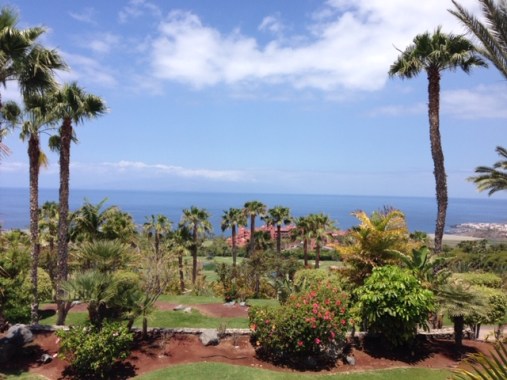




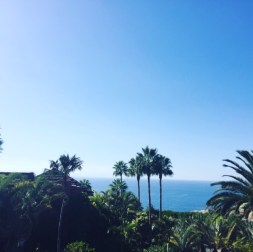 Tenerife is the largest of the Canary Islands located off the coast of West Africa. The Canary Islands enjoy almost glorious sunshine all year round. Year-round sunshine has made the Canaries a premier destination for holidaymakers for some time. Flights operate regularly from London airports to Tenerife South with carriers like British Airways, Easy Jet and Jet2. If you are looking to stay at the Abama then you should fly into Tenerife South rather than the northern airport. Be sure to confirm this as it will affect your transfer time.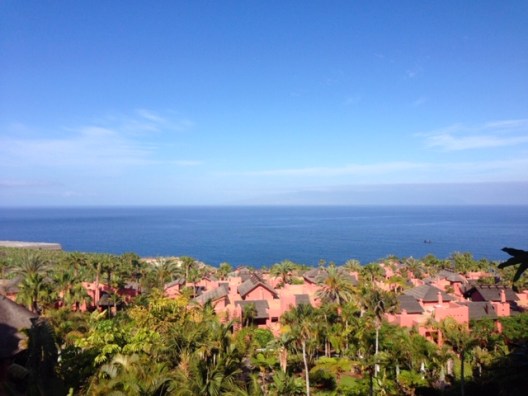
 Nothing beats a warm peppermint tea, omelette, the gentle lull of continuous waves lapping the mighty cliffs below and stillness in the air only punctuated by birdsong. In my opinion, there are few more pleasant ways to begin your day than this one.


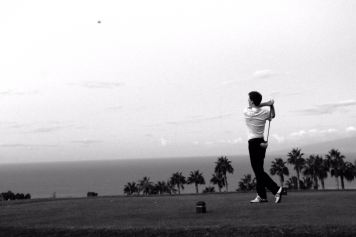 can just about hack my way around a course. My family however including the hubby are pretty proficient when it comes to accurately swinging a club at a small ball and getting it into an even tinier hole 400 yards away. The Abama has always provided a spectacular golfing experience. The course is a tricky 72 par 18-hole course with water, sand, trees and vastly varied terrain; a day spent tackling this beast is well worth it. I would recommend a post-round beer and burger at the clubhouse with views over the complex and the sea it’s a pleasant way to dissect your round and reflect on the game.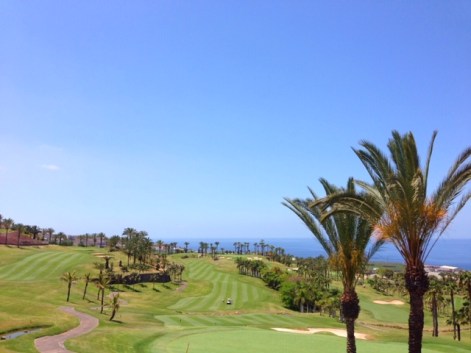
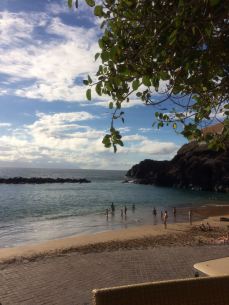 As guests of the Abama, you can freely use the beach and sun loungers. Views from the beach particularly at sunset are stunning.
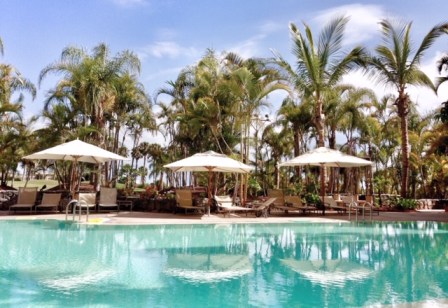 As a resident of the Tagor Villas then you needn’t look further than your own private pool area. This area is just for residents of the villas so make the most it! The beds are well separated, so you don’t feel crammed in and due to the length of the pool, there is plenty of space for all. The Tagor Villa pool is well attended. The staff are always on hand to help out regardless if it is a new towel, cold drink or even helping you make dinner reservations from your sun lounger.
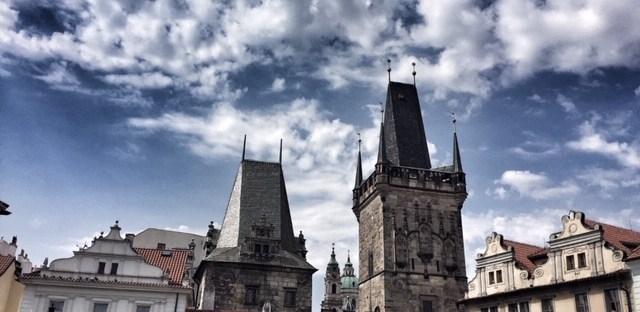




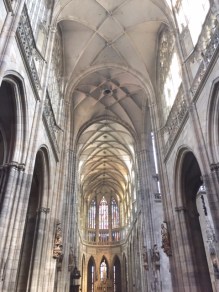
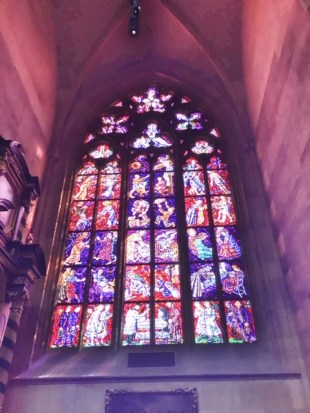 impregnable wooden doors, we stepped into the nave of the cathedral and basked in glorious technicolour. Sunlight streaming through the stained glass and the soaring heights of the vaulted ceiling was truly awe-inspiring. After a good half hour absorbing the delights of the cathedral, we checked out St Georges Basilica, ‘The story of Prague Castle’ exhibition, Rosenberg Palace and Old Royal Palace. The story of Prague Castle exhibition gave a fascinating insight into the development of Prague Castle and its grounds over the years also the history and background of the city.

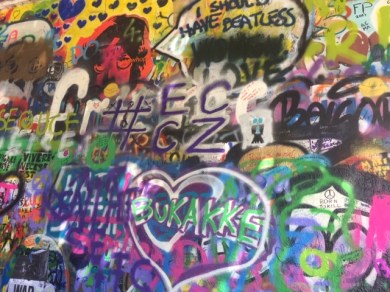
 Prague is known for its beer gardens and rightly so. There are some fabulous beer gardens dotted around the city. We opted for one of the bigger and more well-known ones, Letna. The Letna beer garden is situated at Letenske Sady 341 just across the Stefanikuv Most bridge. After a short yet steep walk, our trek was rewarded with picture-postcard views over the city and the river. After a long day checking out Prague Castle a cold beer and a gorgeous view was just the ticket.
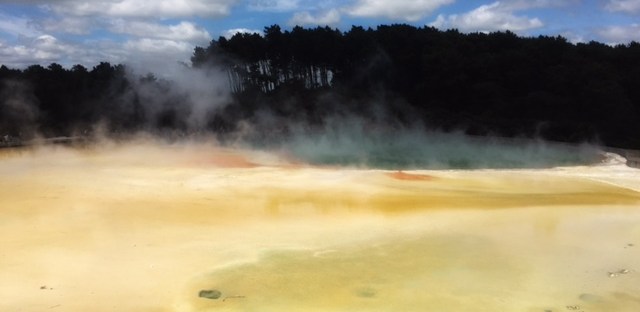
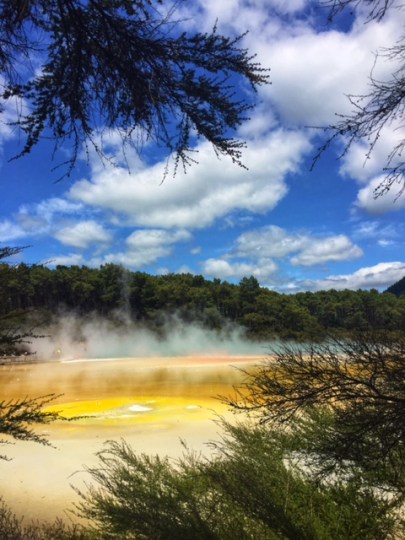
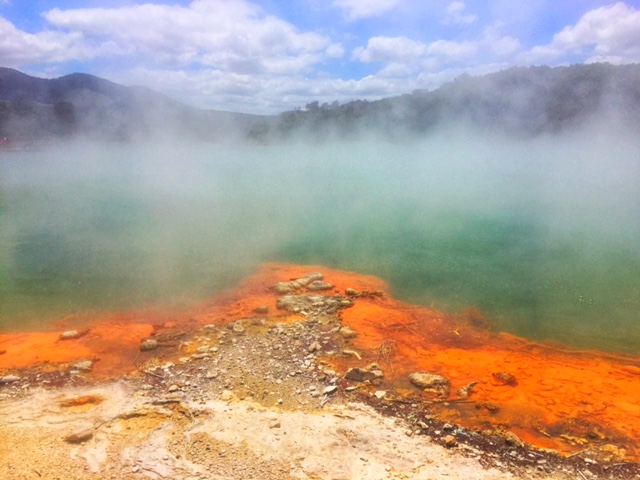


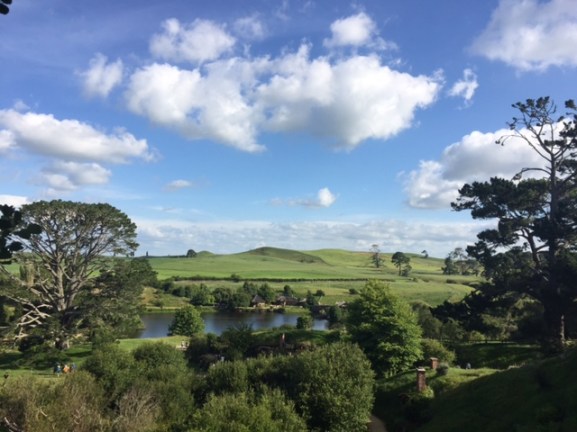
 Alexander farm is still a working farm; so the partnership between Peter Jackson and the filmmakers and the Alexander family has been incredibly important to the success of the attraction. From start to finish the tour was fabulous. Our guide was knowledgeable, passionate and clearly knew her movies and her Tolkien. It was also an added bonus that as a local girl her Grandmother had actually been in the films as an extra in Hobbiton.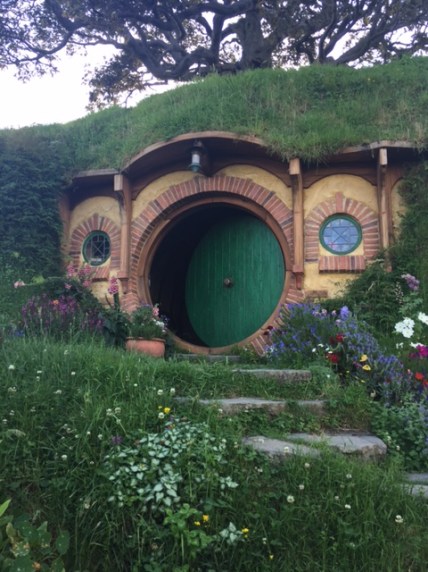


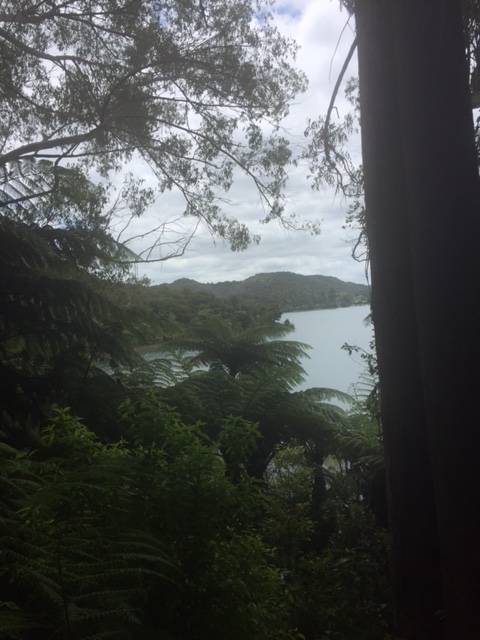





 into shoes at the end of the flight only to find they are much too tight. One little tip I can always recommend is packing a pair of warm slipper socks in your hand luggage particularly if you want to travel in sandals or flip-flops.




 t getting brilliant sleep you don’t want to throw dehydration into the mix as well. Whilst you are flying make sure you are constantly sipping on water to keep your liquids topped up. Remaining fully hydrated will have you stepping off the plane feeling fresh!
 My husband fell asleep!
 !
!


 was a brilliant way to get up close and personal to the falls. I should also mention that you will get wet, possibly VERY wet! Come prepared wearing a quick dry t-shirt and shorts as, particularly if you’re sitting on the outside edge you are in the firing line when the jet completes its breakneck 360 turns.
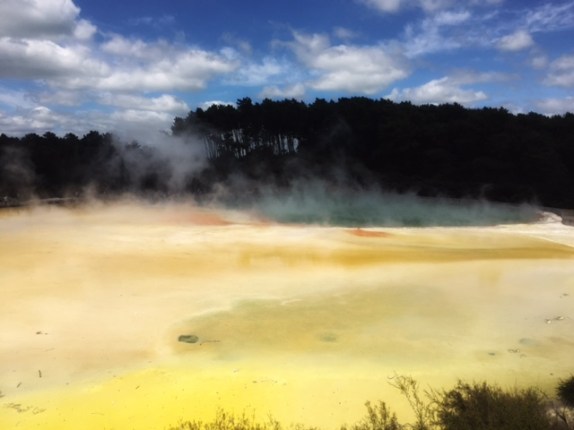
 efits of geothermal activity to generate power. If you’re visiting Taupo it is worth checking out the Aratiatia dam and rapids. The dam opens at 10am, 12pm and in the summer months 4pm. Along the dam there are various viewing platforms where you can watch for free as over 90,000 litres of water burst through and fill the gorge below. We arrived at around 9.45am and
 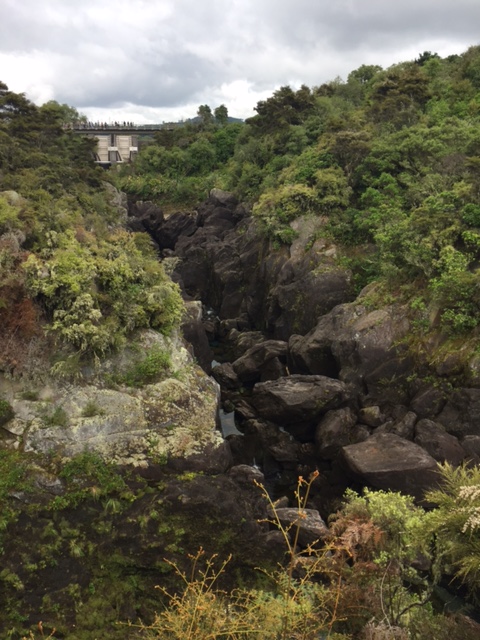 were able to get a spot with a perfect view of the dam opening. I recommend getting a spot below the bridge to see the full effect. It is worth arriving before 10am so you can see the tremendous change in the gorge as it becomes a rapid filled rushing river. Seeing the transition from unrelenting river to empty gorge really does make you appreciate natures incredible power.
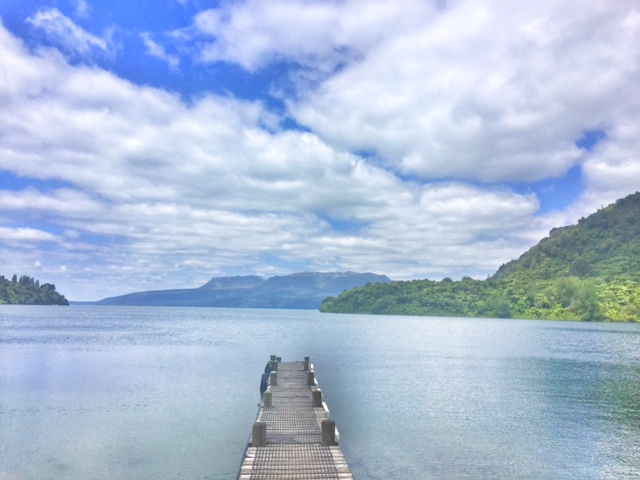
 Taupo itself. We booked tickets on small boat with Ernest Kemp for an evening cruise to see the Māori rock carvings. Whilst the carvings aren’t as old as you might expect they are still pretty impressive. The giant Mine Bay carving of Ngātoroirangi is an excellent modern example of Māori artwork and took four summers to complete. Despite the grand splendor of the Ngātoroirangi carving; I think my favorite was the tuatara (giant lizard) which is sprawled across one of the lower rocks. The tuatara appears like a real-life dinosaur and could easily have been prop on the set of Jurassic Park. The carvings can only be accessed by boat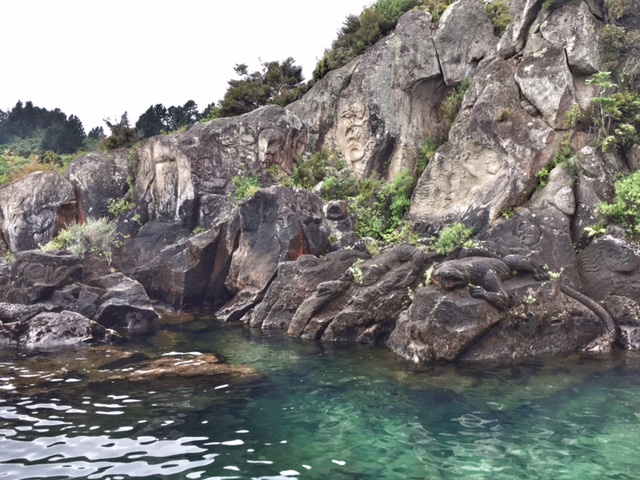




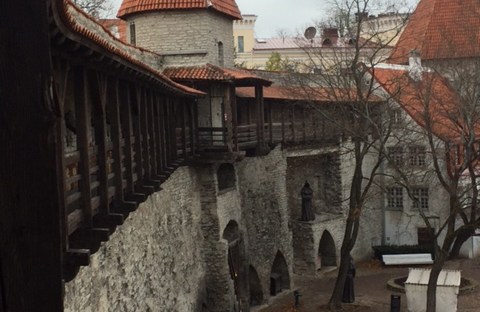


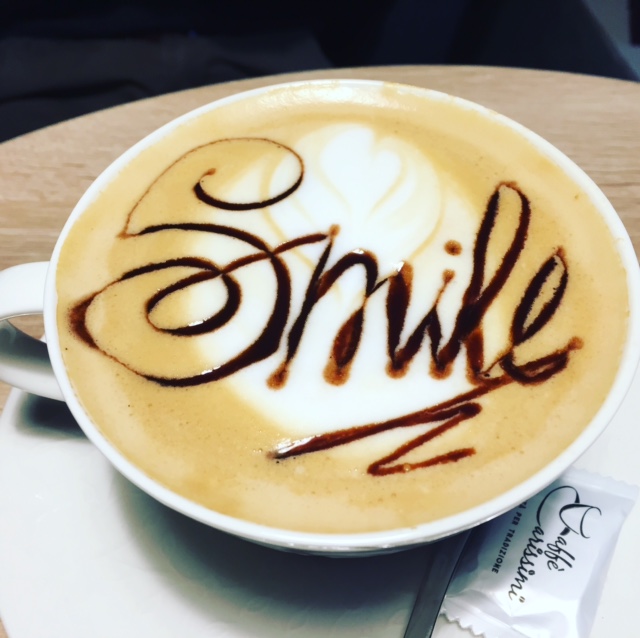 to say that during our four-day trip this plan was very well executed! Tallinn, I discovered has a wonderful café culture which I was not expecting. Tucked away into the recesses of the ancient walls is Café Carissimi, we made th
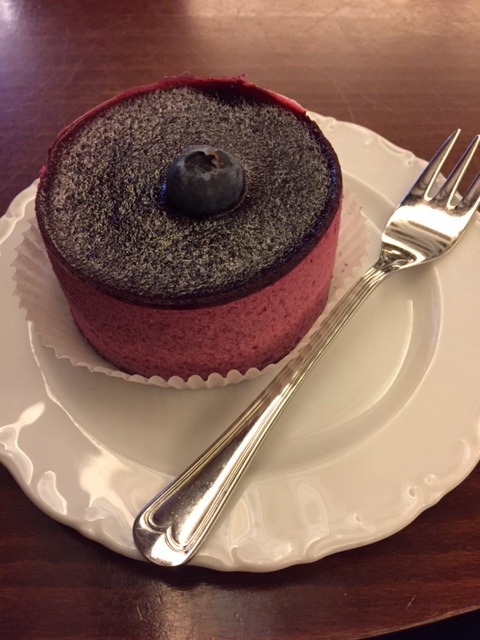
 an a few stops here during our trip. The coffee was presented like miniature caffeinated works of art and the cakes and tray bakes were delicious! I can thoroughly recommend the marshmallow tart and the cappuccino.
 What to do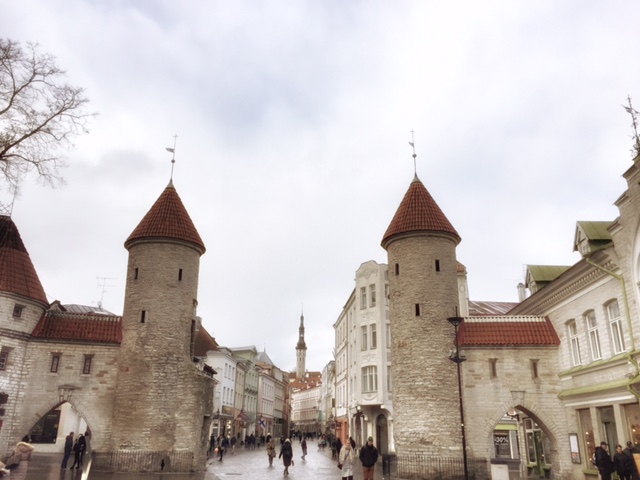
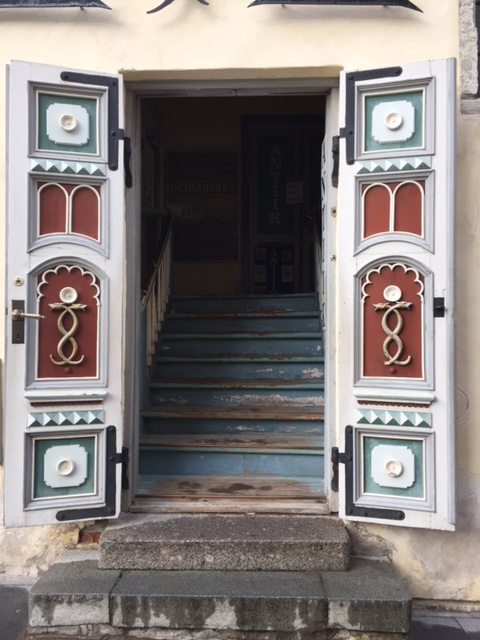 The Town Hall Pharmacy is a fun little jaunt and a nice way to spend 30 minutes before dashing off to catch your flight or make your tour time elsewhere. This pharmacy is claimed to be the oldest dispensing in Europe dating from 1422. The Raeapteek has been a cornerstone to the daily lives of the residents of Tallinn and the work which was carried out has helped to shape the Estonian pharmaceutical industry. The Raeapteek provides a detailed history into the ownership of the pharmacy and the types of work and medicines they
 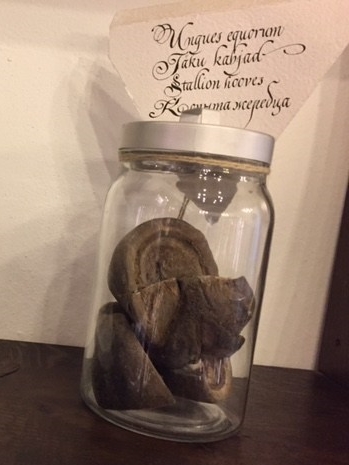 dispensed across the years. For those keen to explore more alternative remedies there is a price list and some very suspect items in jars showing the common goods to be prescribed in the middle ages. Burnt hedgehogs, dried deer penis, sun bleached dog faeces and stallion hooves were all popular medicinal options during the middle ages….I’m pretty glad that medicine has moved on….dried deer penis – no thanks!
 This cute little passage way is worth a wonder down and provides some excellent photo opportunities! Walking down St Catherine’s passage really does feel like you’ve stepped onto the set of Game of Thrones, it is a true medieval street complete with tombstones lining the walls and some lovely little artisan shops.
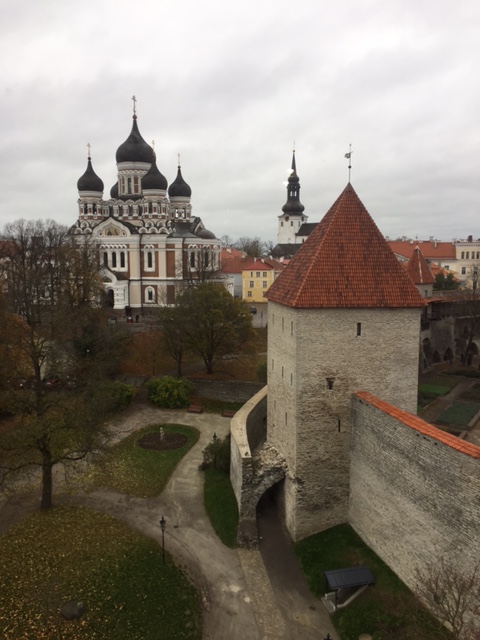 at the top of the Toompea and is worth a moment of your time. I would however, advise that you don’t carve out any significant time in your schedule for a visit to the cathedral. Whilst the building itself is spectacular from the outside, inside it is very similar to most orthodox churches and you are not allowed to take photos. Inside the cathedral was busy and there seemed to be an odd juxtaposition between tourists pursuing souvenirs and those genuinely visiting to worship or appreciate the architecture.
 Driving up to the hotel felt like arriving at the Sultan’s palace
 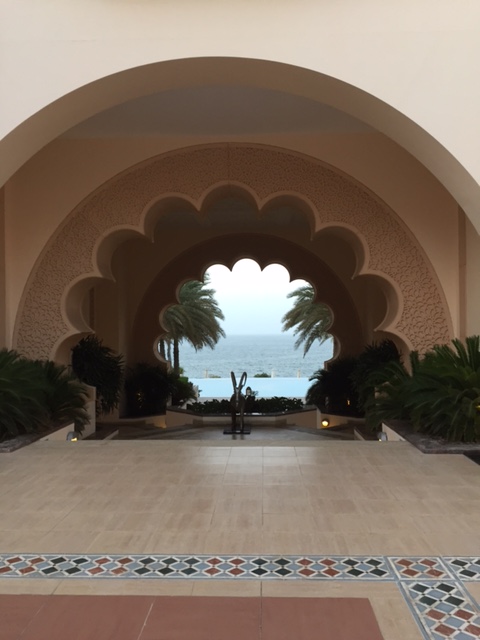 from Aladdin. A beautiful plain façade with simply crafted archways which lead to a stunning interior. Colourful geometric patterns adorned the floors and walls and the long courtyard drew the eye all the way to the sea. As first impressions go the Al Husn is simply and beautifully striking. Our check in was quick and efficient and made even better with the addition of a glass of bubbles and a cold towel! It is these small touches that make such a difference. By the time we arrived at our room our bags were already there.
 Our room was also perfectly situated with a stunning view of the sea and beach. That view at 10am on a 35-degree July morning was the perfect tonic and seemed to wipe away all my prior stress leading up to the holiday.


 Take me far and away