
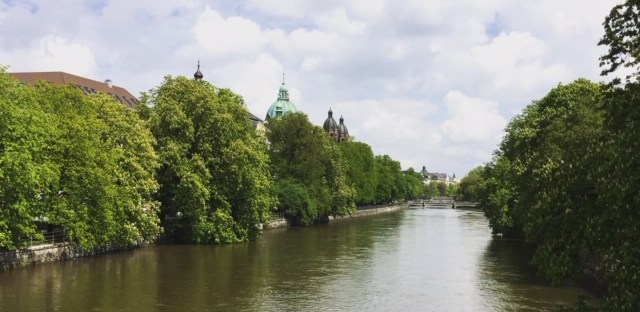
When we first set out to book a long weekend German jolly, Berlin was a firm front runner. Yet, after some swift price comparison and a little research, Munich came out on top. Tickets booked, and excursions planned we had a May bank holiday break to get excited about.
Getting to Munich
There are a variety of ways to get to Munich, if you’re flying from the UK, flights regularly operate with direct flights from most UK airports. There are options to change in Frankfurt, so breaking up your trip with a few days taking in the sights of another German gem is definitely an option. The average flight time direct to Munich is one hour and ten minutes.
If you feel like taking a more laid-back approach to arrival in Munich, there is a direct train from Berlin. The journey is around four hours and allows you to take in the beautiful German countryside. If your starting point is another European city, the rail links to Munich are excellent as it sits on a European mainline serviced by high-speed trains.
Where to Stay
Munich isn’t a small town so choose your hotel wisely if you want easy access around the city. That being said, the transports links in the city are excellent. As has proved easy, cost-effective and efficient we booked our hotel as part of the British Airways Hotel and flight deal. This is great service allowing you to specify star rating, dates and price for your accommodation. We opted for the 4* Hilton Munich City. The hotel is a twenty-minute walk to Marienplatz at the heart of the old town and a fifteen-minute walk to the Ostbahnhof. The location was perfect for city exploring and quick links to the airport.
Our room was a standard double but very comfortable, it was clean and bright and the staff couldn’t have been more helpful during our stay.

Where to eat
Bavarian cuisine is meat and potato heavy, luckily, I’m a big fan of both and when you throw gravy into the mix any dish becomes a winner.
Haxenbauer im Scholastikahaus
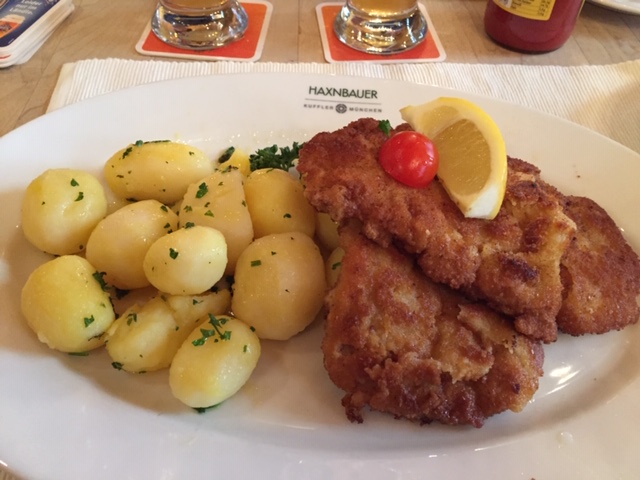
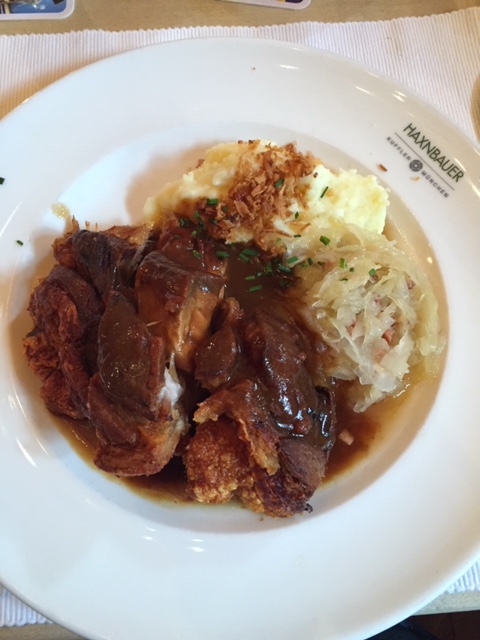
If its meat perfection you’re after then you need to eat here. I promise the smell from the street alone will be enough to get you through the door. Upon entry, you are greeted by 24 hours marinated and grilled pork knuckle turning on a spit by the window. The meat melts on your plate and combined with creamy mash, sauerkraut, crispy onions and thick gravy, this meal is everything you could wish for. Washed down with yet more beer Haxenbauer became an instant hit, so much so we returned for a second night.
Viktualienmarkt Food Market
This well-known grab and go food market is the ideal spot for lunch or a late afternoon pick me up. Smells, sounds, and the incessant chatter of locals and tourists make this vibrant market worth a wander before settling down to eat. Whether it is artisan coffee, crispy pretzels, cold cuts or yet more beer the Viktualienmarkt has something for everyone.
Café Luitpold
Old school charm. If you are seeking, an elegant afternoon caffeinated kick back then I recommend Café Luitpold. This historic coffee house opened in 1888 and soon became a Munich institution. With writers, creatives and artists like Kandinsky historic regulars it’s hard not to feel a little bit glamorous whilst sipping your beverage in fabulously luxurious grandeur.
What to do
Drink Beer
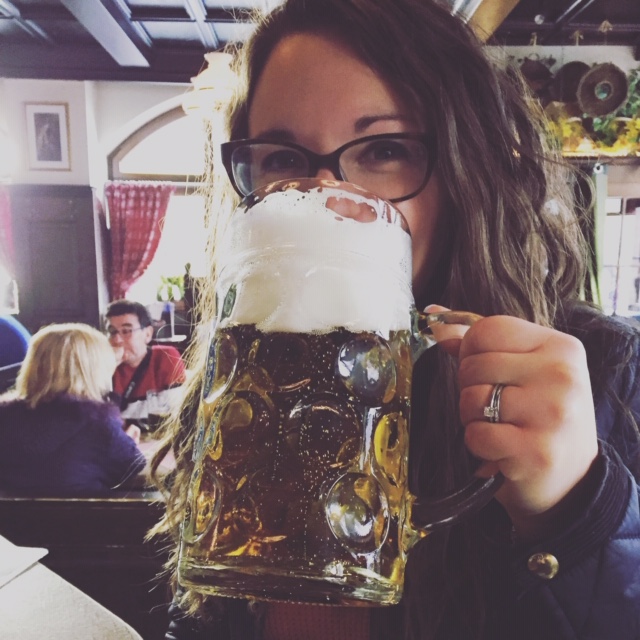
So, I’m going to class beer as a culinary experience and a food group here. I mean you can’t visit Munich without sampling their world-famous wheaty, hoppy, amber magic. It is no surprise that Munich plays host to the world’s largest beer festival, Oktoberfest. Our trip didn’t coincide with Oktoberfest, but that didn’t mean we couldn’t grab a stein and see what all the fuss is about.

The Hofbräuhaus is the mecca for beer lovers in Munich. However, we didn’t time our visit particularly well. Every tourist, stag party and beer lover seemed to have descended on the beer hall at the same as we did. Unperturbed we took in the beautiful craftsmanship of the beer hall, had a quick nose at the beer garden and marvelled at the perfect choreography if the waitresses. Back on the street, we chanced our luck in a smaller establishment. To be honest it doesn’t matter where you sample the glorious beer, because it’s all good. We found a much smaller, quieter place than the Hofbräuhaus but had as much fun. We ordered our stein’s, sat back, drank and discussed our plans for the next day…perfection.
Munich Residenz
Firstly ladies, be prepared to check your bag into storage or bring a smaller handbag with you if you want to visit the Residenz. This caught me slightly unawares and whilst I have no issue with checking my bag into secure storage to avoid knocking any priceless antiques; I wasn’t prepared for this level of security. Cue ten minutes of me faffing, talking to myself and desperately going through my bag to remove anything I thought necessary whilst walking around. This included my phone, purse, lip balm and an array of other pointless objects, but I could fit them in my pocket so naturally, they had to come to. So, you have been forewarned!
The Residenz served as the seat of government for the Bavarian kings, dukes and electors from 1508 to 1918. It is stunning. An opulent display of wealth, architecture, style and art are displayed in every room of the Residenz. It is a feast for your eyes and will take a good three hours to absorb it all.

My favourite section of the Residenz was the grotto courtyard. A slightly bizarre, quirky, shell clad indoor folly. I loved it.
There are five different types of ticket you can buy for the Residenz depending on the areas you wish to see. We opted for a combination ticket costing €17 which allowed us access to the Residenz, Treasury and Cuvillies Theatre. The Residenz is open year-round from 9 am to 6 pm during the spring and summer months and from 10 am to 5 pm during the autumn and winter.
The Glockenspiel on Marienplatz
Marienplatz is the heart of Munich and has been at the centre of Munich life for over 850 years. The history, distinctive architecture and style of the square have enough going on to keep you occupied for hours.
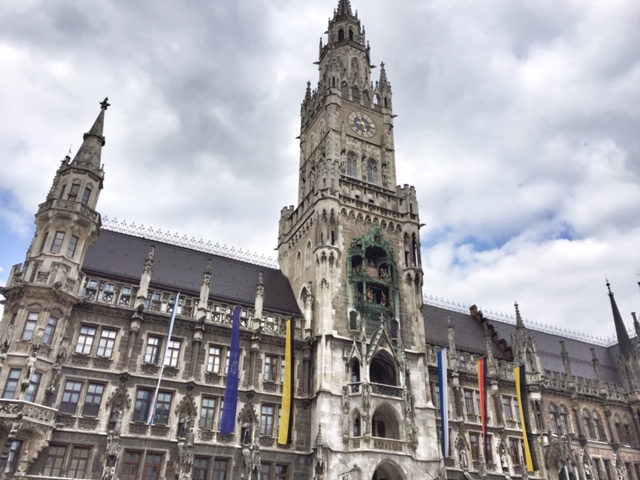
One of the prime attractions on Marienplatz is the Rathaus Glockenspiel. The glockenspiel chimes twice each day, at 11 am and 12 pm with an extra performance at 5 pm during the summer months.
The glockenspiel represents two different stories. On the top layer, a royal wedding and jousting tournament and on the bottom a folk dance performed by the red-coated city’s Coopers.
To this clockwork spectacle, I would recommend grabbing your spot early. As 11 am draws near the square is crammed full of expectant tourists, cameras poised. The whole event lasts fifteen minutes and is well worth the crowds to hear the forty-three bells combined with the magnificent figures.

For a bird’s eye view of the glockenspiel head to the upper floors of the Hugendubel book shop just across the street.
The Englischer Garten
On our final day, we had just a few hours to kill before heading back to the airport, so we decided to take a stroll through the Englischer Garten. The Englischer Garten was beautiful and full of spring flowers, wide-open spaces to catch some spring sunshine, tucked away follies and meandering paths dappled in shade. One of the highlights of the garden is the river which runs right through it. If you visit during the summer months, you can expect to see avid surfers, surfing the river. Yes, that’s right the river creates waves good enough for surfing! If you are visiting during the summer months, I recommend bringing a towel and swimsuit as sections of the river looked perfect for a quick cooling dip.
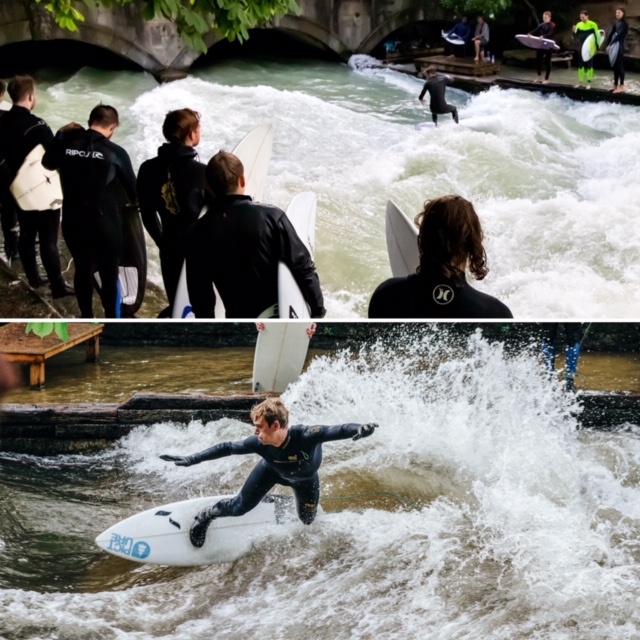

Finally, after an ice-cream and a very leisurely stroll, the Englischer Garten provided the perfect spot for one last beverage. The Englischer Garten hosts Munich’s second-largest but oldest beer garden right next to the Chinese Tower.
As one of Europe’s largest city parks, it is definitely worth an hour or two to lose yourself in its natural glory.
Pinakothek Der Moderne
I’m not sure where my love and appreciation of modern art have come from, but a visit to a city’s museum of modern art seems to be a fairly permanent feature on my weekend travels.
The museum houses four different collections under one roof. A single ticket allows visitors to access artwork, architecture, design and work on paper. The artwork on display is from 1900 onwards and picks up where the Neue Pinakothek ends. I particularly enjoyed the surrealist and cubist work of Dali and Picasso.
The museum is open Tuesday to Sunday with adult entry costing €10. If you have an hour to two and enjoy modern art then I would suggest a visit to the Pinakothek Der Moderne is well worth it.
Dachau Concentration Camp
Visiting a concentration camp isn’t an easy or fun day trip, however, nor is it just a tick in the tourist box. I have long held the view that we have a moral responsibility to educate ourselves, respect and remember the millions of people who suffered under the Nazi regime during World War Two. With that in mind, a visit to Dachau was an absolute priority for our trip to Munich.
Dachau is located just outside the city and easily accessed by train in twenty-five minutes. The S2 train from the Hauptbahnhof will take you to Dachau station. The memorial is open year-round 8 am – 5 pm excluding the 24th of December and entry is free. If you do wish, there are audio guides, guided tours and brochures which can be organised through the information centre or online prior to your visit.
We decided to visit early on a Sunday morning, taking the view that it might be a little quieter. As we arrived it was as though we stepped into a vacuum. The whole place felt thick and heavy with silence. As you cross the road from the visitor centre, you follow train tracks through the gates, the gates which bare the infamous ‘Arbeit Macht Frei.’ From that point onwards I don’t think I spoke to my husband for the next two hours as we made our way around the site and exhibitions. It wasn’t until we sat down to dinner that evening, took stock and debriefed each other on our feelings from the day.
The sheer scale of the site was shocking, row upon row of hollowed out, gravelled rectangles, the outlines an echo of barracks long since torn down. Gas chambers, empty buildings harbouring absolute horror in every inch of its structure. It was difficult to reconcile what I knew to be true with these empty shells, with sunlight streaming through empty windows and bird song carried on the breeze.

Whilst our visit was emotionally draining and a uniquely personal experience for us both in different ways. I can say with conviction that it was worth it and something every traveller to Munich must do.
Final Thoughts
Our trip to Munich was fabulous and almost unexpectedly so. I loved learning about the history of the city, both recent and long since passed. Like so many of our weekend adventures, I left feeling that there was more to do and see. I am sure a return visit to Munich will be on cards at some point. If I can tear myself away from roasted pork knuckle then I would be keen to explore what the Munich foodie scene has to offer. There is also the small matter of a day trip to Neuschwanstein Castle to consider as well!
Happy travels
Jess


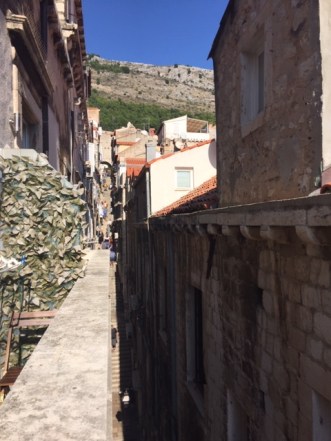
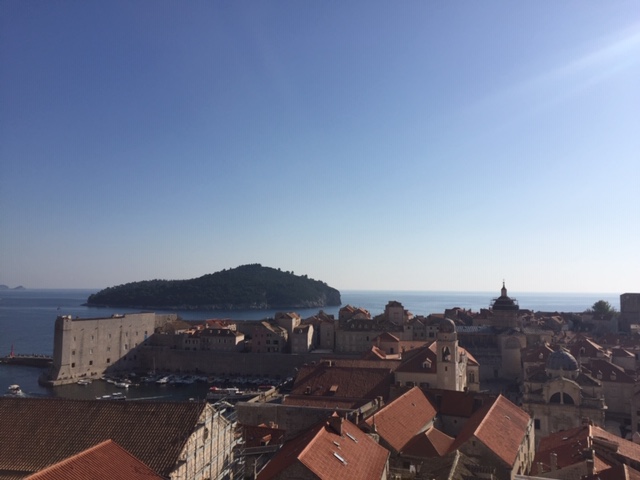
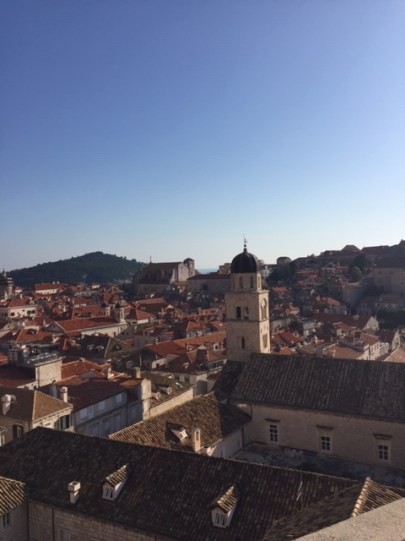
 loveliest outdoor courtyard area overlooking the old city port. This idyllic vista made for the perfect lunch spot. The food was reasonably priced and the service efficient. Whilst this isn’t the spot for you if you’re after an authentic Croatian restaurant, the one where the locals eat, as it is particularly popular with tourists. That being said when you’ve left freezing cold blighty that morning it’s hard to turn down a seafront table with old city port and fortress views.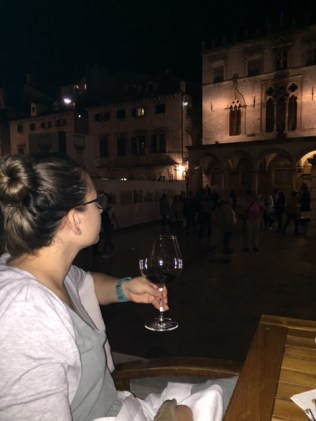
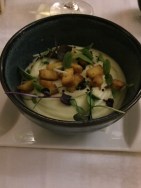 The most beautiful mash potato I have ever seen. Potato wizardry aside, Proto was a slightly more luxurious choice for dinner. However, it was our first night and the food and service were excellent. We were positioned at a beautiful table on the upper terrace overlooking the streets below. I imagine this place is heaving during the summer months. I would absolutely recommend prior booking if you are visiting during this time.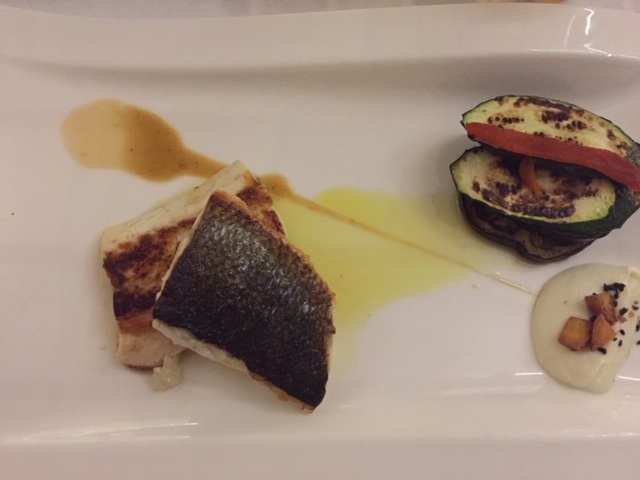

 booking an excursion for our second day. Mostar is located around fifty miles from Dubrovnik and is a two-and-a-half-hour direct drive. Bosnia and Herzegovina is not currently in the European Union, as such your passport is essential on this trip.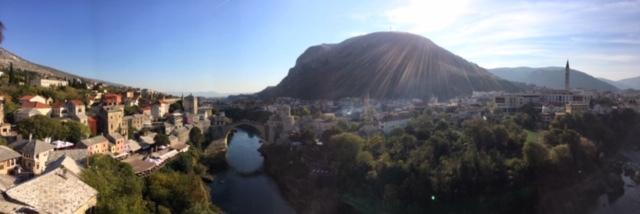
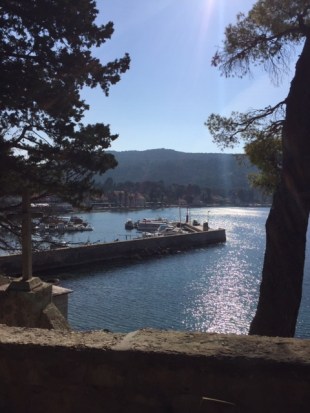

 room at the very back for one or two of us. If you’re feeling particularly, brave the cave at the end of the trio is for you. There is the option to swim to the back, under the rock, into an antechamber brings you out the other side of the cliff. I am unashamed to say this was one step too far for my level of bravery. The thought of having to swim, even briefly under the rock fills me with absolute dread. Also, I’ve seen the film The Decent one too many times…Who knows what’s lurking down in the belly of a cave system. However, despite my disappointing lack of courage, I thoroughly enjoyed the snorkelling at the mouth of the three caves. There were so many gorgeous, alluring fish and technicolour starfish who were totally unperturbed by my less than graceful splashing about.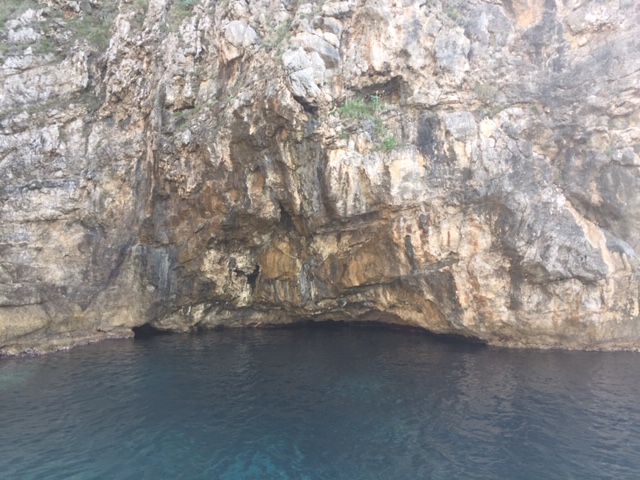


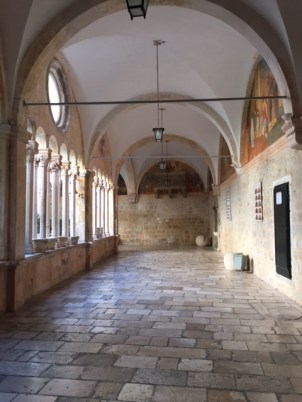
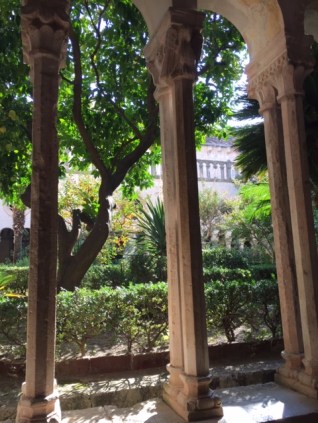
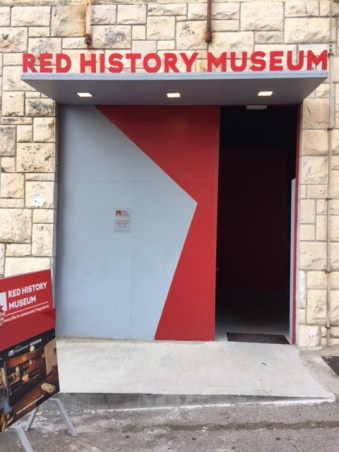 On our last morning, we breakfasted early and set off for the Red History Museum. The museum presents Croatia’s modern history and what life was like for ordinary people under the Communist regime of Yugoslavia. The more we travel through countries who were occupied by the Soviet Union or experienced socialist movements and communism, the more I am fascinated by these points in history.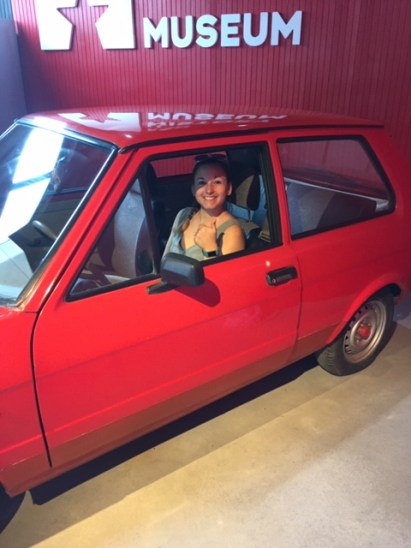

 service allowing you to specify star rating, dates and price for your accommodation. We opted for the five-star Hilton Budapest located in the Buda Castle District. This was absolutely the best choice. Our room was a King guest room was a gorgeous view of Matthias Churchyard. The room was spotlessly clean and the staff couldn’t have been more helpful during our stay. Late check-in, storage for bags and sorting out room keys niggles; there was no problem they weren’t willing and happy to help with.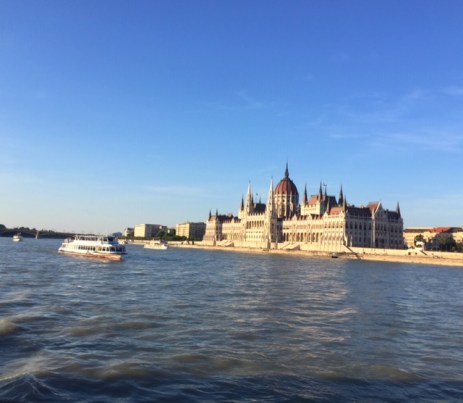
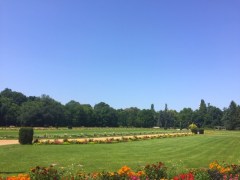 grounds, the victim of a great flood in 1838 to the site of a Dominican Nunnery where King Bela famously sent his daughter Margaret after the Mongols departure from Hungary. Since that time the island has been known as Margaret Island.
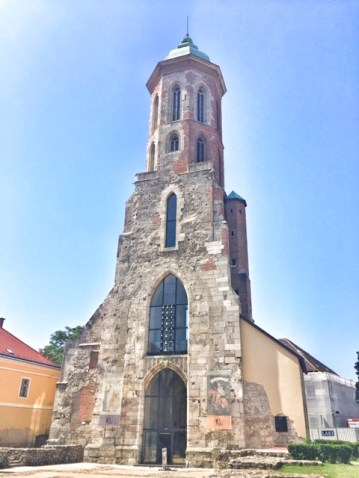 Once part of the 13th Century Church of St Mary Magdalene, this stunning tower is all that remains after the church was heavily bombed during World War Two. A trip to the top is absolutely worth the panoramic views of the city. Be warned it is high, but the areas are enclosed and the steps although steep do have handrails.
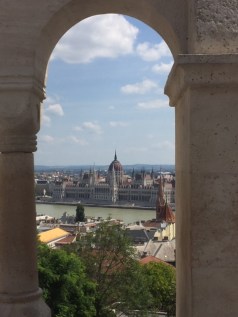 the Buda Castle district; you simply can’t miss it. Stepping out of the Hilton Hotel, you are confronted with a fairy tale fortress with turrets, spires and mock Bastion features. My initial thoughts were it looked significantly different from the other historical buildings I had seen so far, beautiful, yes, but somehow artificial. The Fisherman’s Bastion was built in the 19th Century to serve as a lookout over the city. The purpose of the Bastion has never been used as an actual fortification for Buda.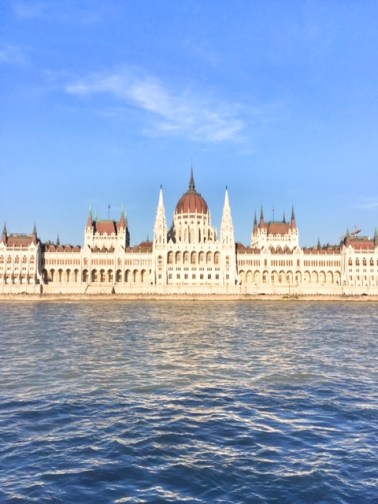

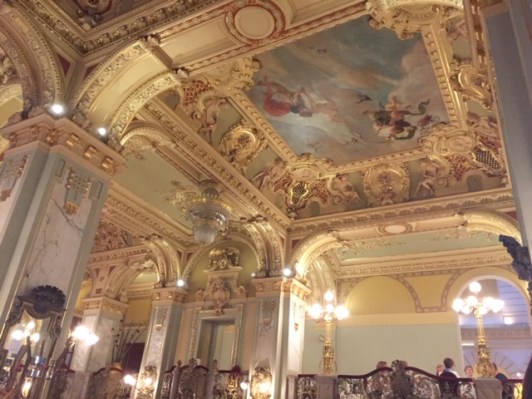
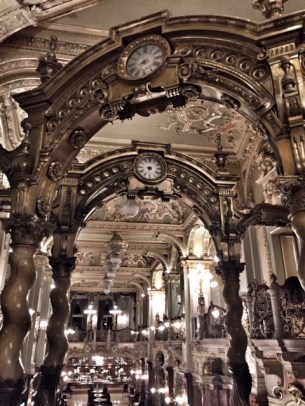
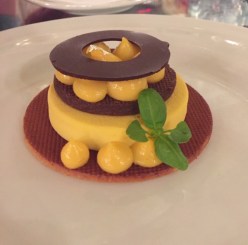
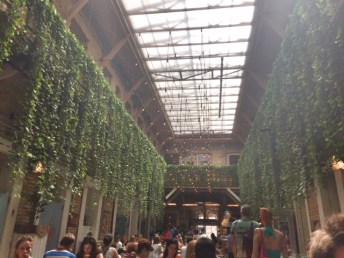 of this Jewish Quarter garden party then you’ll need a reservation. We first tried for dinner on Saturday night to no avail but were lucky enough to grab a spot on Sunday lunchtime. Mazel Tov is a Middle Eastern restaurant set in the Jewish Quarter of the city. It has the ruin bar ambience combined with a conservatory. Cascading plants tumbling from the gallery perfectly set against the industrial interior design.

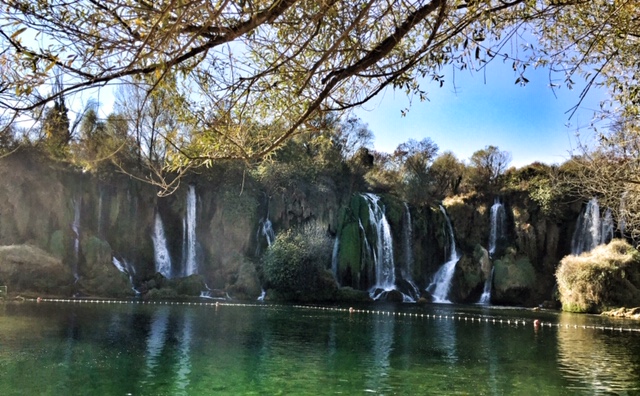
 The gloriously curved half-moon archway, originally commissioned by Suleiman the Magnificent stood the test of time until it was brutally destroyed in November 1993 by Croatian artillery. The new bridge, now a UNESCO World Heritage site, was finished in 2004. The reconstruction is a delicate, sensitive and accurate restoration using original sixteenth-century building techniques. The final result is an awe-inspiring piece of engineering and every bit as magnificent as it’s sixteenth-century counterpart.
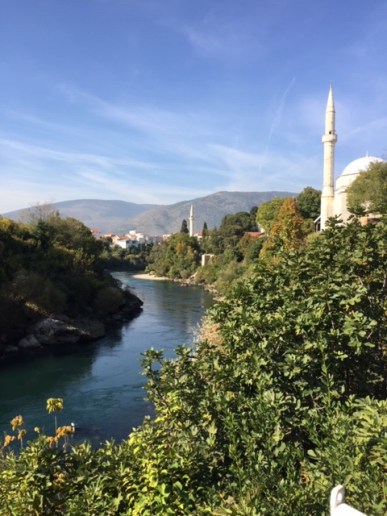
 The beautiful blue Neretva River runs through the centre of Mostar splitting the town in two. It is possible to swim in the river, but I would recommend visiting in the summer months when the water temperature is a little warmer!




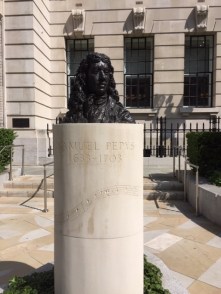 Famed for his diary, our second stop took us to a commemorative bust outside the Four Seasons Hotel. Just off the appropriately named Pepys Street. It was at this point, Ian, our guide regaled us with the tale of the Great Fire of London. Thanks to Pepys our knowledge of this point in London’s past is so detailed.

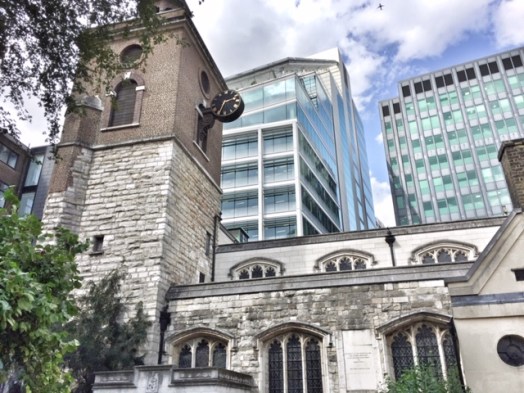
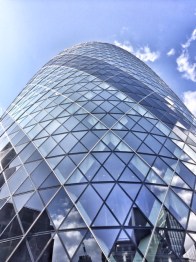 much older past. The building on the site survived not only the Great Fire but the Blitz. However, an IRA bomb destroyed the area making way for the Norman Foster masterpiece we see today. During its construction, the body of a Roman girl was found. In 2012 the authorities felt it right to give her a formal funeral and rebury her as close to her original resting place as possible.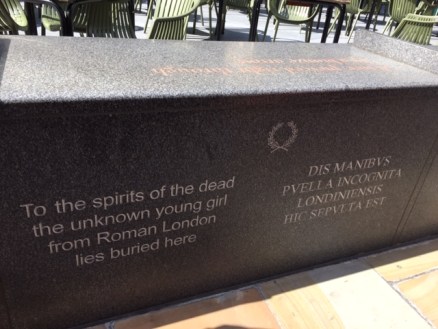
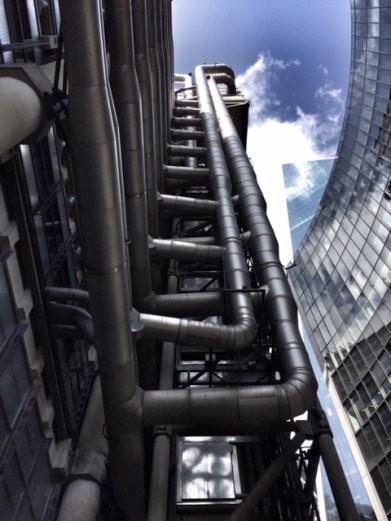
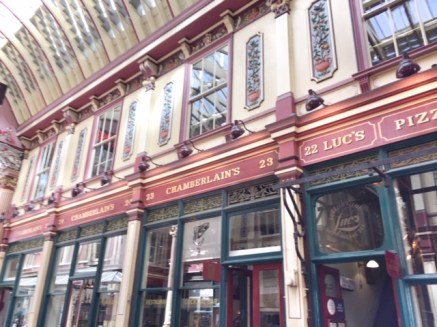
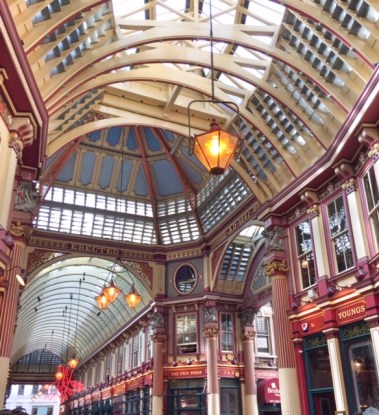
 London then the George and Vulture is not the establishment for you! But if you find your self on Lombard street between the hours of 12 pm and 2.30 pm, then get yourself to the George and Vulture. Dickens was an ardent fan, citing the restaurant over twenty times in his novel The Pickwick Papers. But the Dickensian link is not the George and Vulture’s only claim to fame. Once the home of Sir Francis Dashwood’s infamous Hell Fire Club the George and Vulture was the meeting place of London society whose who during the 1740s & 1750s.
 Our next stop brought us to The Royal Exchange which endured on the same site since Queen Elizabeth the First’s reign. Ian explained it was Queen Elizabeth the First who granted its ‘Royal’ status. The building has existed in three different guises. The Royal Exchange mark one burned during the Great Fire of London. Mark two again succumbed to fire and the third offering was rebuilt in the 1840s, still standing in all its glory today. In terms of its use, The Royal Exchange has come full circle in its lifetime. The current building is the perfect city spot for a glass of bubbly and snapping up a box of Fortnum and Mason’s finest tea and biscuits. Sadly there wasn’t built in shopping time on the tour but there was definitely a Fortnum and Mason box of Earl Grey with my name on it….one for another day.


 Take me far and away