

I spoke to Doug McIntyre about his adventurous travels through mountain ranges, down rivers and everything in between. He is a true inspiration for the wild at heart and those seeking a more authentic adventurous travel experience.

What’s the day job?
At heart, I’m a lawyer. I work at Canada’s National Nuclear Laboratory; in charge of Legal, Insurance and a bunch of other things that nobody else wants to do.
What’s always in your suitcase?
Well, I guess that would include a headlamp, a spoon, just in case you run across something to eat and an eye mask so that you’re able to sleep anywhere you might need.
Necessary travel extravagance?
I would say that would be a silk sheet. I often camp out when I travel so a silk sheet just gives you just that little bit of extra extravagance.
Favourite city break?
Well, that’s hard to say – it would be anywhere that there’s good ice-cream. Of the big cities in the world, I’ve really enjoyed Sydney and I’d like to get back there. London as well, I’ve only been to London sort of four or five times and I have a twisted impression of it because every time I’ve been the weather’s always been great!
Mountains or Beach?
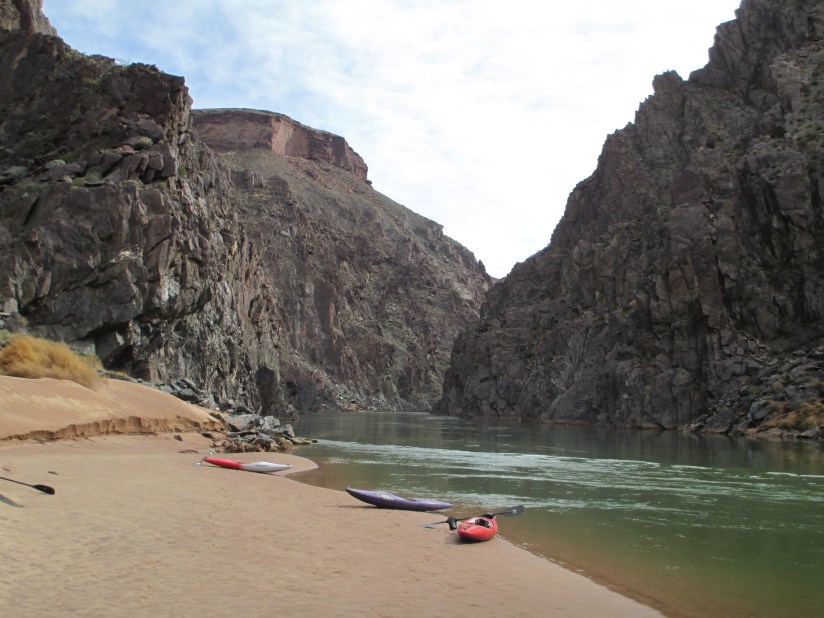
I would have to say mountains. If I had a choice between mountains or rivers it would be a bit more difficult but often you get rivers in mountains.
Biggest adventure?
Probably a solo canoe trip down the Moise River, which is in eastern Quebec. It was a 400km white water canoe trip and there was nobody else around for hundreds of kilometres. I had planned to do the trip in about eighteen days and packed all the food, gear, etc. for that time but I ended up doing it in six! I had nobody else around, so I just kept moving all day; it’s much more efficient but, not as much fun to travel on your own.
What destination tops your bucket list?
The big trip that I’m looking at is a bikepacking trip in Kyrgyzstan.
Where does your love for adventure and extreme challenge come from?
It probably started in high school. We had an outers club, and did things like hiking and white-water canoeing. When I was about sixteen the club took a trip to Alaska and the Yukon. We went to Skagway, Alaska, then hiked over the Chilkoot pass which is a famous pass from the gold rush of the late 1800s. We entered British Columbia and got into canoes and we paddled for another three weeks down to Dawson City in the Yukon.
That’s big a big trip for just sixteen!
Yeah, it was a real…it was a wonderful trip and I think that’s where it hooked me.
Is that type of thing a standard as part of the Canadian school system, are these types of club par for the course?
It was something specific to our high school. They are getting less common now as people like me as lawyers get involved. There have been some trips where people have been hurt so school boards have shut down the clubs.
What is your most memorable travel experience or adventure and why?
My best value vacation ever was a loop that we did in the Coast Mountains of British Columbia. We drove to the top of the Taseko River which is on the east side of the Coast Mountains then we kayaked down the Taseko, the Chilko, the Chilkoten and the Fraser rivers covering about 400k over four days; the water was really moving! There were two of us kayaking, and we met another friend at the end of the river and we drove about 100km with bicycles and then we biked back over the Coast Mountains back to our car. This was many years ago before bikepacking was a bigger thing than it is now and the information we had from the trip was from a coffee table book, ‘The Best Mountain Biking Trips in the World”. When we got on the trail, we realised that most people did it the other way. We couldn’t actually bike up much of what I guess most other people would have biked down! So that was the first challenge. We were also travelling very light so one of the first nights that we camped at about 8-10 thousand feet we forgot it’s a lot colder at that level! We were able to get to sleep, but I woke up at about 3 am and had to make a great big fire just to keep us warm. Then on the final day, as we were coming down the other side, the biking was actually quite fast as we were on an old fire road. A Jack Pine tree was sticking out into the trail, and it punctured my left arm at the elbow and when I regained consciousness, we realised I would need stitches. I had to bike the last 35 km out to the car with just one arm. It took about twelve or thirteen hours between my puncture and getting to a hospital. When I finally got to the hospital the emergency room doctor said “that’s better than a knife fight in Williams Lake on a Saturday night”



You have huge amounts of experience with these epically long trips with multiple parts, can you talk us through the process of planning an adventure?
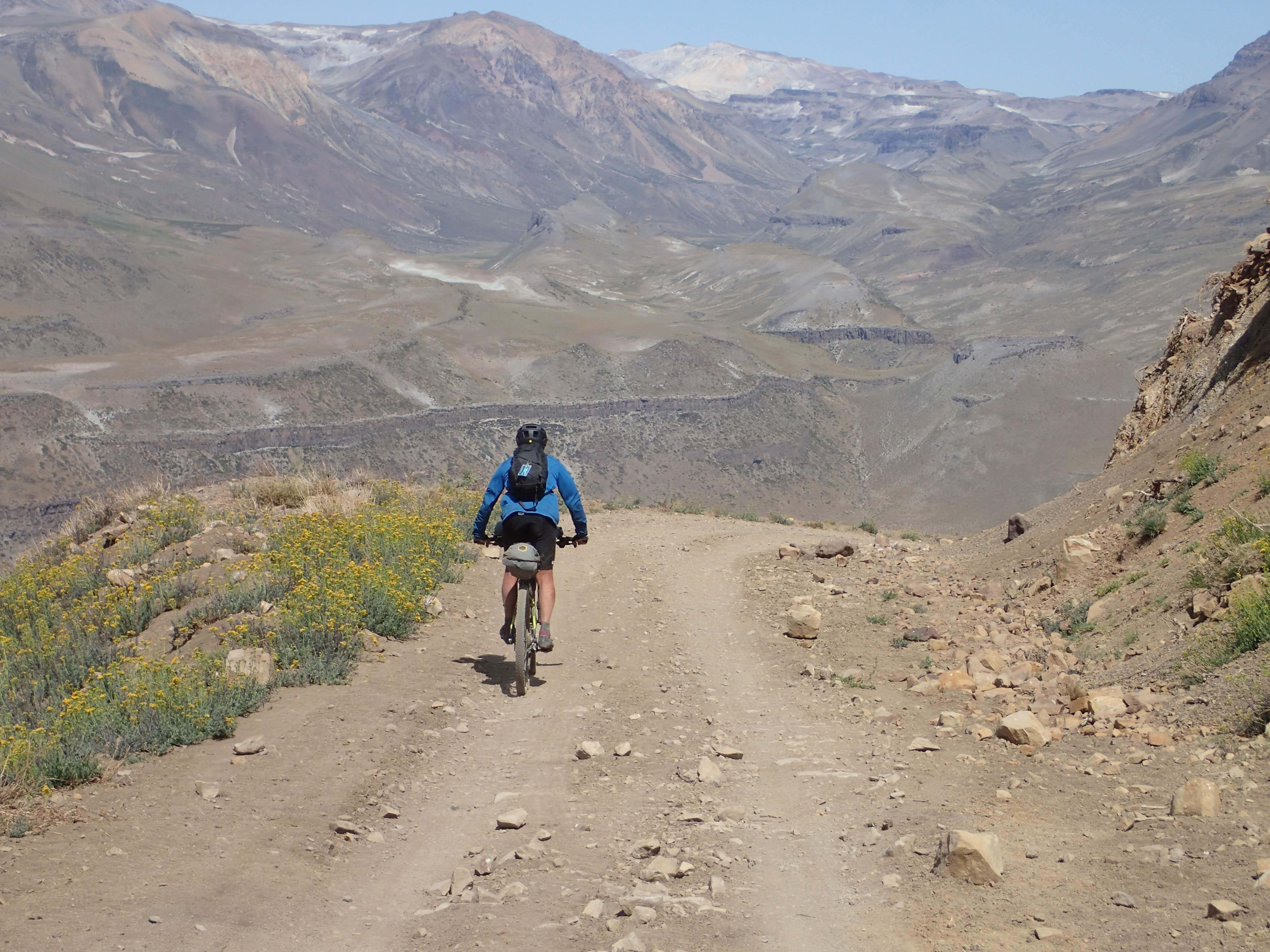
There are a couple of us at the core, although three or four of us often travel together. We identify a good place to go and then, especially now, we scour Google Maps. It’s amazing, with the maps in Google Earth, you’re able to look at what sort of terrain you’re going to go on. You then map it out day by day as to how far you think you can go, where you might be able to camp. Then you have to figure out…. one of the big things is food on these sorts of trips. You don’t want to carry more than you have to, but you want to carry enough. You spend a lot of time just making sure that you’ve got everything you need, but not more. Especially so on bikepacking trips more than say wilderness canoe trips. On bike trips you find out where all the small restaurants are so you can feed yourself. Food is a big focus of these trips.
You must burn through so many calories with the physical nature of these trips how do you make sure that you fuel yourself well enough to meet the demands of the trip?
Planning, and you bring lots of things that aren’t necessarily good for you. But I guess it doesn’t matter when you are burning through them.
So, being out in the Canadian wilderness, you’re likely to come into contact with some wildlife. Are there any specific planning or preparations you take to deal with any wildlife encounters?
You always stay away from your food at night. If possible, you put your food into something and hang it in a tree, over a branch. This makes sure the animals can’t get at it. It has to be far enough away from the trunk of the tree, so it hangs out. If you are canoeing, you can float your canoe out into the water with your food aboard so the animals are less likely to get at it. If all else fails you put it under your canoe on the beach and put your pots on top so at least you can hear when animals are getting at it!
Have you travelled somewhere which turned out to be a completely different experience from the one you were expecting?
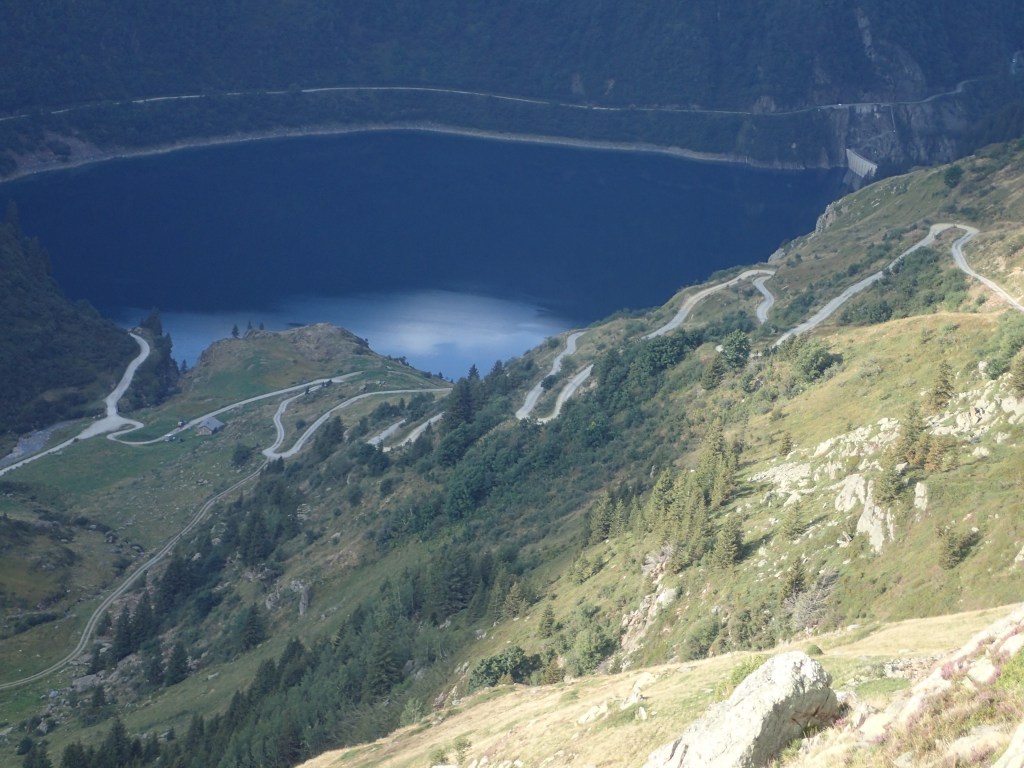
I don’t know that it was completely different, one trip that we did was the Tour De Mont Blanc, it was a walking tour around Mont Blanc in France. The tour goes through Switzerland, France and Italy and back into France. It’s typically done as a walking tour but we did it on mountain bikes and we learned why people tend to walk it, rather than do it on bikes! It was still lots of fun but certainly some of the parts were better suited for walking than mountain biking.



Have you got any travel/adventure horror stories?
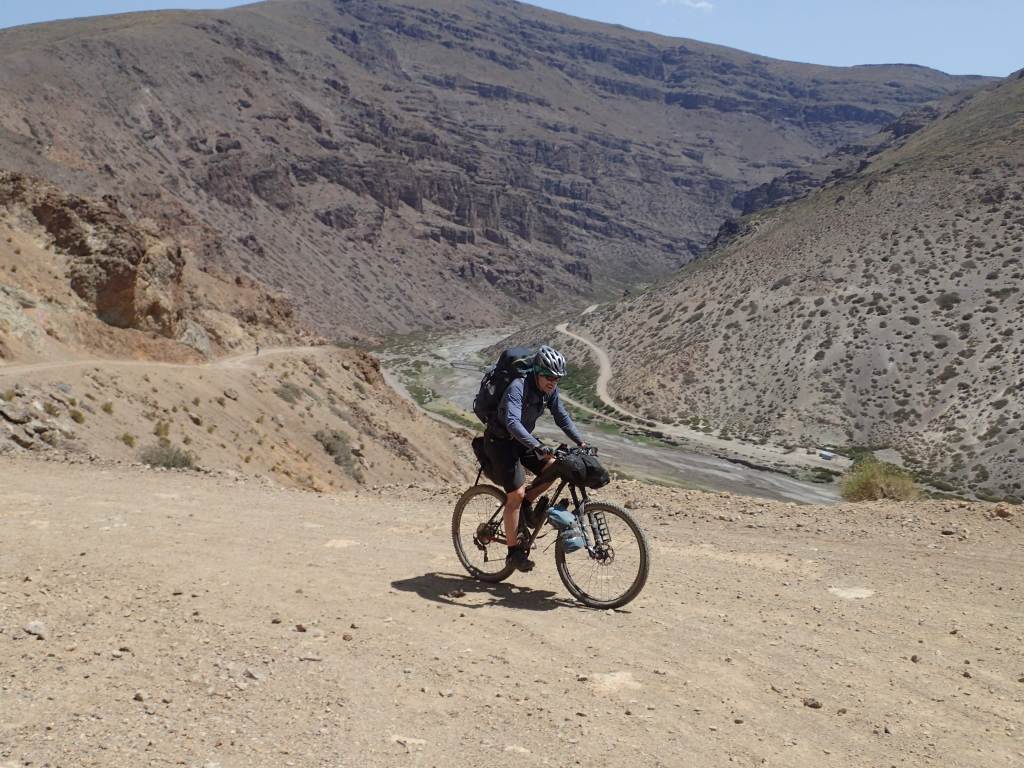
I realise I am being very food-obsessed, in February we did a trip to Argentina and Chile. We flew into Chile and biked over the Andes into Argentina and then biked back again. Chile is a big agricultural producer and they have very strict quarantine requirements, particularly with what kind of food you can bring in. We knew that to be the case but when we came in originally, they weren’t terribly strict so we got a bit lackadaisical. When we were coming back in the second time, we had to have some food so we thought we’d just bring some dried fruit, some nuts and some dried meats. We got to the border post, which was actually about 30km from the actual border so there’s not a lot of people there. We were already well inside Chile before we got to the border post. We were asked about food and not wanting to spend time in a Chilean jail we said ok, this is what we’ve got! What we thought was they’d look at it and either say ‘ok it’s fine, there’s no risk’ or they’d say ‘you have to throw it out.’ What they actually said was…. ‘You have to eat it’. They said ‘you have to go and sit other there and eat all your food’ and we had a fair few calories! We had to sit there for about an hour finishing all this food, it was a bit of a challenge. That was a real surprise; we never anticipated we would have to gorge ourselves to get into a country.
What is your best comedy moment whilst travelling?
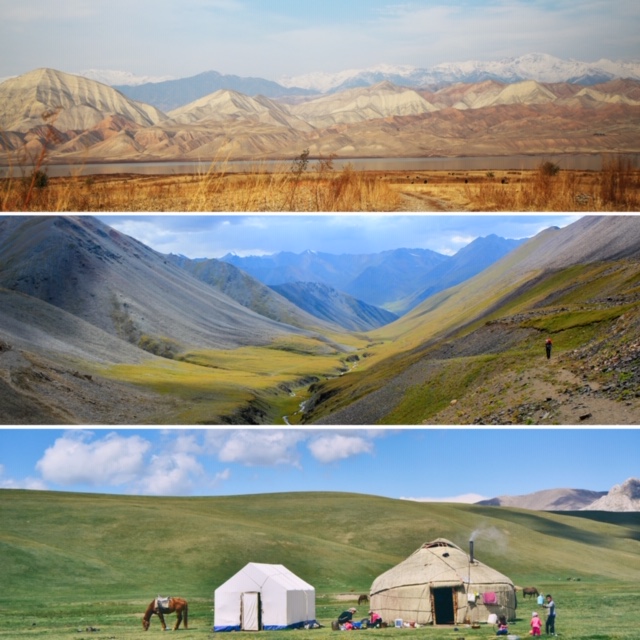
We did a bikepacking trip in Mongolia. We identified a route through the mountains, and we plotted our route and realised that we needed some local help. We were able to find the perfect help; it was a combination of bike rental place and bakery right at the start. We biked through the steppes of Mongolia. It wasn’t remote by Mongolian standards because you’re biking through areas where the Mongolian nomads live. We went by yurts and all sorts of animals. We came out of the mountains and were going into a small town on our sixth day. There was one stretch of pavement the whole 1500km. As we came out of the mountains, we saw there was a huge storm coming behind us. We wanted to bike into this town as quickly as we could and luckily the wind was behind us.. We were doing almost 50km/hr on flat ground, on fully loaded bikes, which is really something! Just as we hit a small aggregation of buildings outside the town, it started to rain and hail. We stopped our bikes and found a building that didn’t seem like anyone was there. We hopped over a fence and put our tarps around us and huddled in, thinking we were going to get really wet. Suddenly, a Mongolian woman came up to us and stuck her head over the fence, beckoning us over. She brought us to the house next door, we went in and it was nice and warm and got dried off. As quickly as she’d appeared, she got in her car and drove away. It wasn’t actually her house that she’d let us into. There was a family in the room next door who were wondering what are these people doing here? But they didn’t kick us out, and we stayed for another half hour till the storm passed.
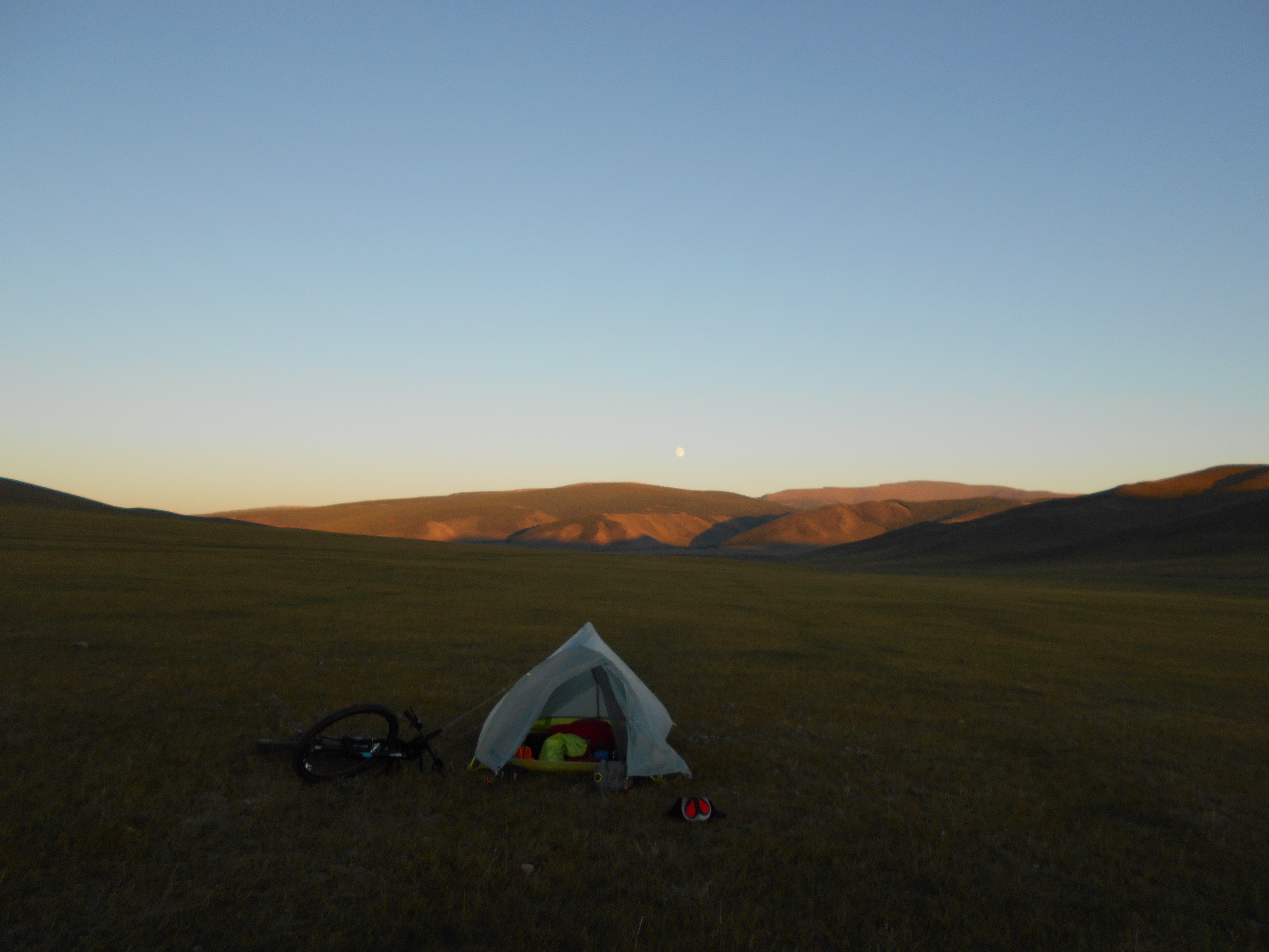


How did you narrow down on Mongolia, of all the remote places to go, what drew you there?
It was reading articles on places where you can do bikepacking. My friend David read an article that seemed very positive about a section of what we did. We started to do more research, and expanded it beyond what we had read about.
What’s next post COVID?
The plan had actually been to go and do a trip to Switzerland. There are a number of bikepacking trips there, it’s an ideal place for bikepacking on the very civilized end of the range. There are places to stay, places to camp and there are bakeries everywhere. So, that’s a possibility. The other possibility if we can’t travel, probably a bikepacking trip in British Columbia.
I guess living in Canada you’ve got access to lots of different things, you’re not too limited with your choices.
We’re extremely lucky where we live. I live on the edge of nowhere, so I can go out on a day trip on my bike and can easily socially distance from other people by about 10km.
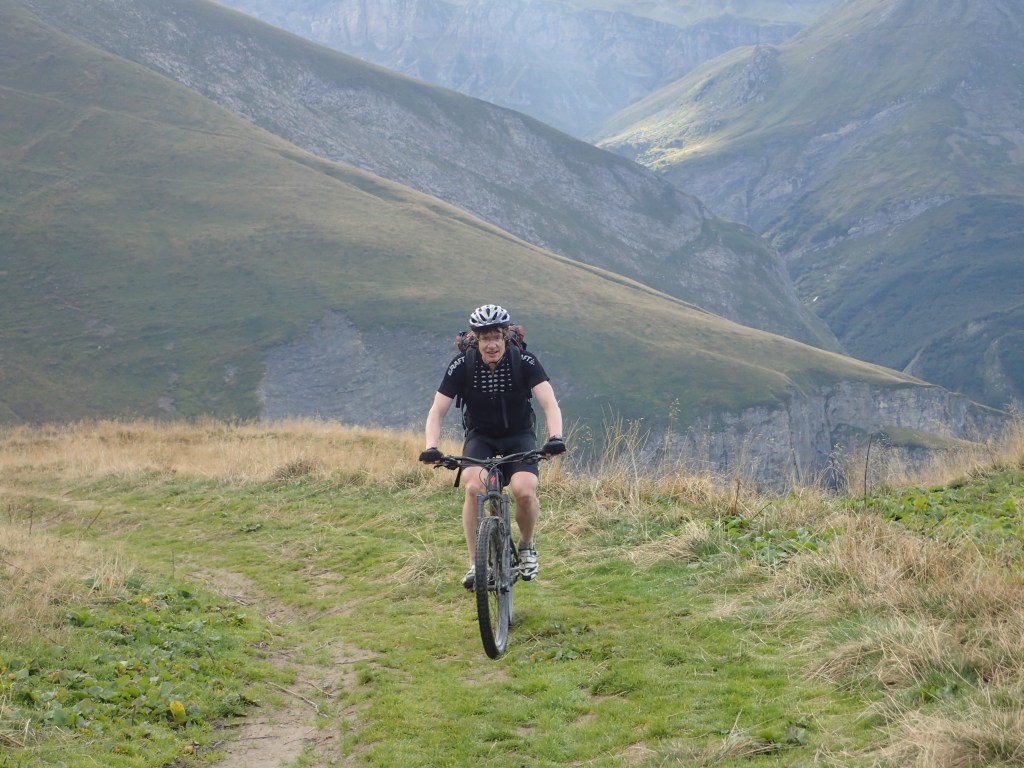
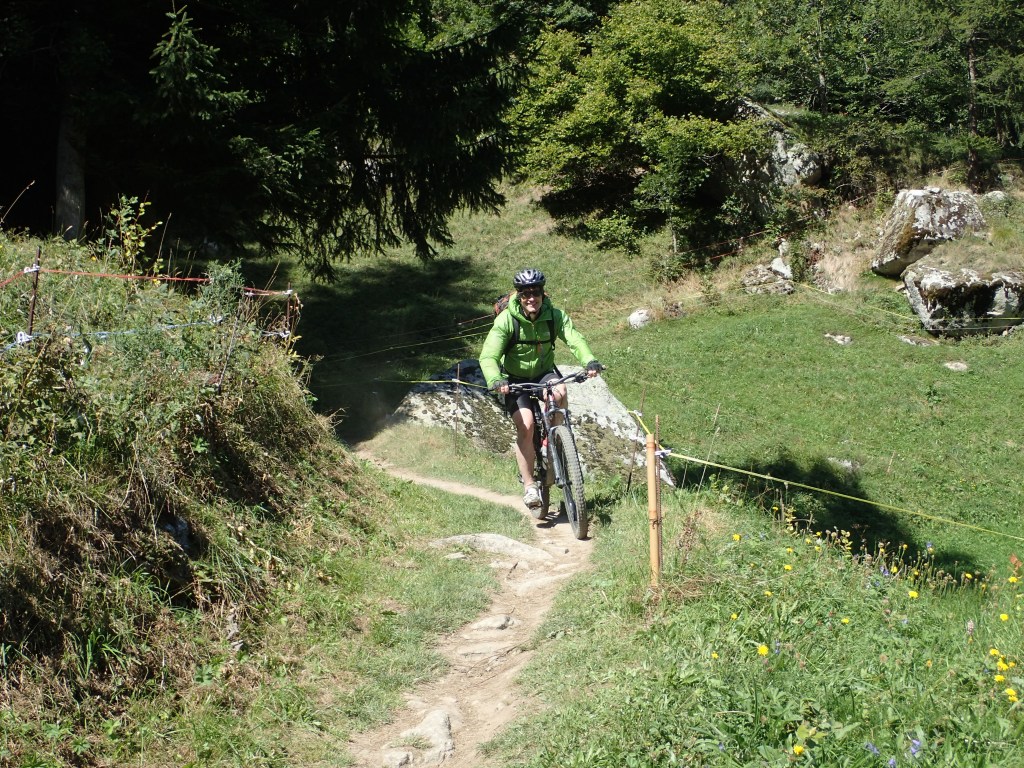
What are your top three tips for adventure travellers and thrill-seekers?
- To borrow from Crowded House, always take the weather. You never know what it’s going to be like, actually like. You just need to take the right attitude and be happy with whatever nature deals you.
- I find that’s it’s best to go with people who don’t know the meaning of the word whine. And that’s the W-H-I-N-E version.
- To take as little as you can to the extent that it overlaps with everything that you need.
I hope you’ve found just as much inspiration as I have from my conversation with Doug. Whilst I might not be tackling a four day white water canoe trip I’ve certainly got some grand plans post COVID!
Stay safe & happy travels
Jess

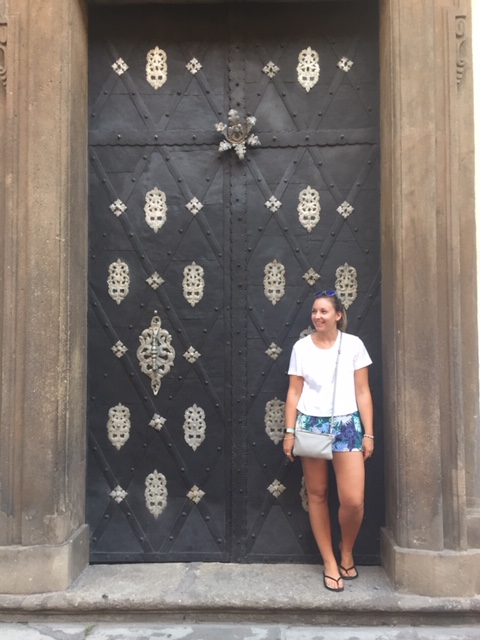
















 ourselves stepping back in time. Dark wood panelling, marble-topped tables and a charming feel of an old Viennese coffee house. There was also an eye-watering display of cakes and pastries. After securing a table, we ordered a proper lunch 2 bowls of gloriously rich, thick goulash complete with crispy yet gooey dumplings to soak up all those fabulous juices. I couldn’t resist a slice of passionfruit cheesecake to finish off – it felt rude not to indulge.


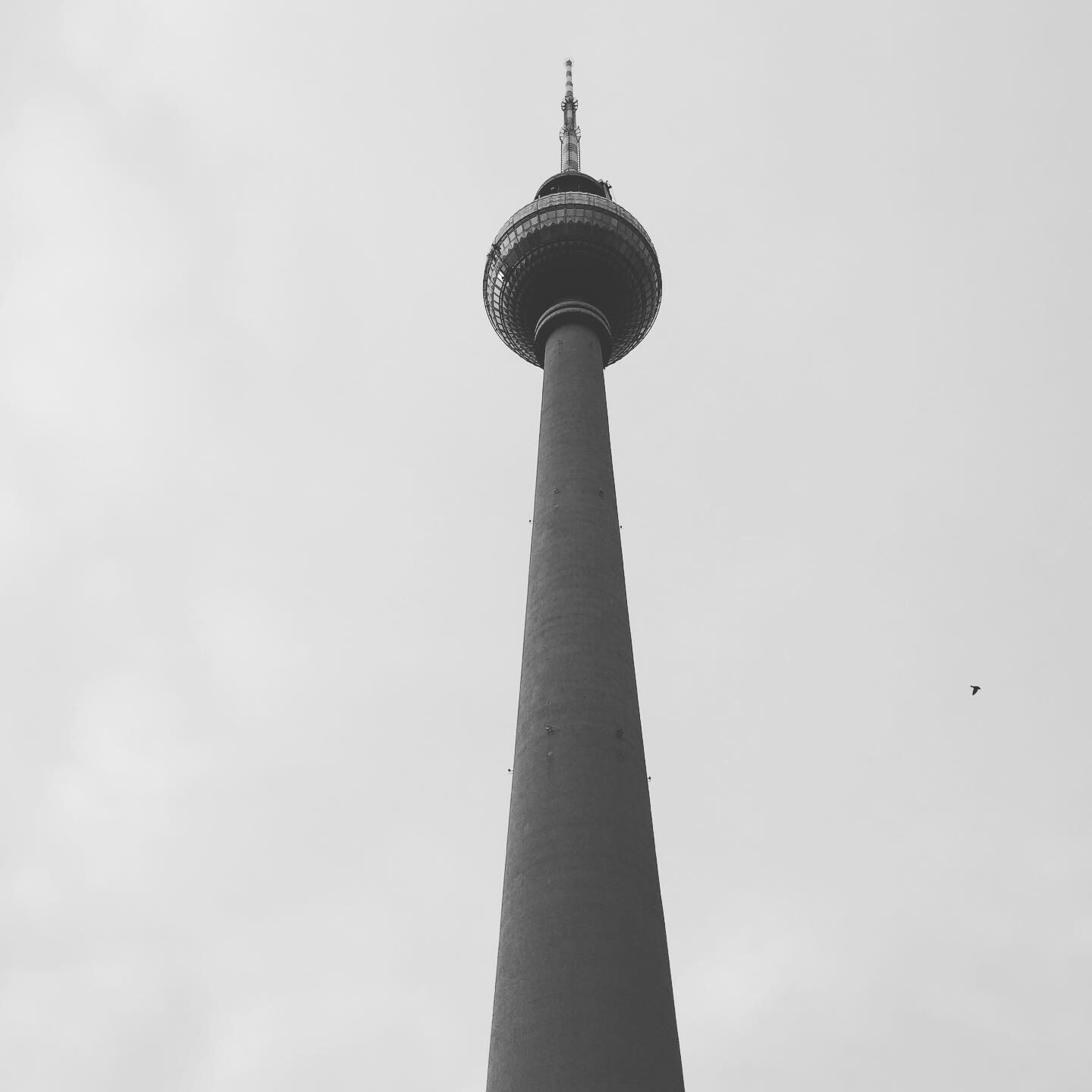 Opening in 1969, complete with a revolving restaurant and panoramic viewing gallery the Berlin TV Tower was the height of sophistication and a beacon of hope for post-war Berlin. If you’d like to visit the TV Tower, you need to book in advance. This can easily be done online and with less than 12 hours’ notice, I managed to bag tickets for 10.30 on Saturday morning. Tickets cost €17.50 and can be purchased online or at the tower itself.

 The museum gives a unique glimpse into the veiled world of espionage; following the evolution of the spy right the way from biblical times to the spies we know and love from the world of film. The museum is interactive, well laid out and brimming with quirky information. There was even a laser maze, which was an absolute highlight of the visit, I felt like Catherine Zeta-Jones in Entrapment however with none of the distinctive style. Sadly, I think my laser maze skills need some work…
 slice of what life was like in East Germany. The museum covers all aspects of life for the average East German from what they drove to how they used their leisure time. A really informative and valuable insight into the past. I would recommend visiting later in the afternoon as it was very busy when arrived early afternoon on a Sunday. Buy your tickets here:

 A Death at Fountains Abbey is the third instalment from Antonia Hodgson. However, not having read the previous two it didn’t matter or have any disastrous effect on the plot or my understanding. My only caveat to that would be I might have liked a deeper understanding of the protagonist’s backstory. However, understanding and storyline hinge on this knowledge.
 and history of a painting by the Spanish artist Isaac Robles. Isaacs’ work and mysterious death have left the art world mystified for decades. The narrative is split between 1967 where a young typist, Odelle Bastien, who has struggled to find her place and purpose since moving to London from Trinidad has been recruited by the mysterious and enigmatic Marjorie Quick.

 insight into his rapidly deteriorating mind through stolen moments with his diary. Edmund is stalked by scratching noises. Unseen eyes in the darkness and a religious and significant depiction of hell that draws the iridescent stench of the fen into every orifice of his being. Michelle Paver beautifully blurs the boundaries between reality and the ghostly. This story leaves you hung somewhere adrift with little pieces of the narrative returning to you every so often. I found myself turning those little pieces over and over. The sign of a good story in my view is one that doesn’t leave you after you finish the final page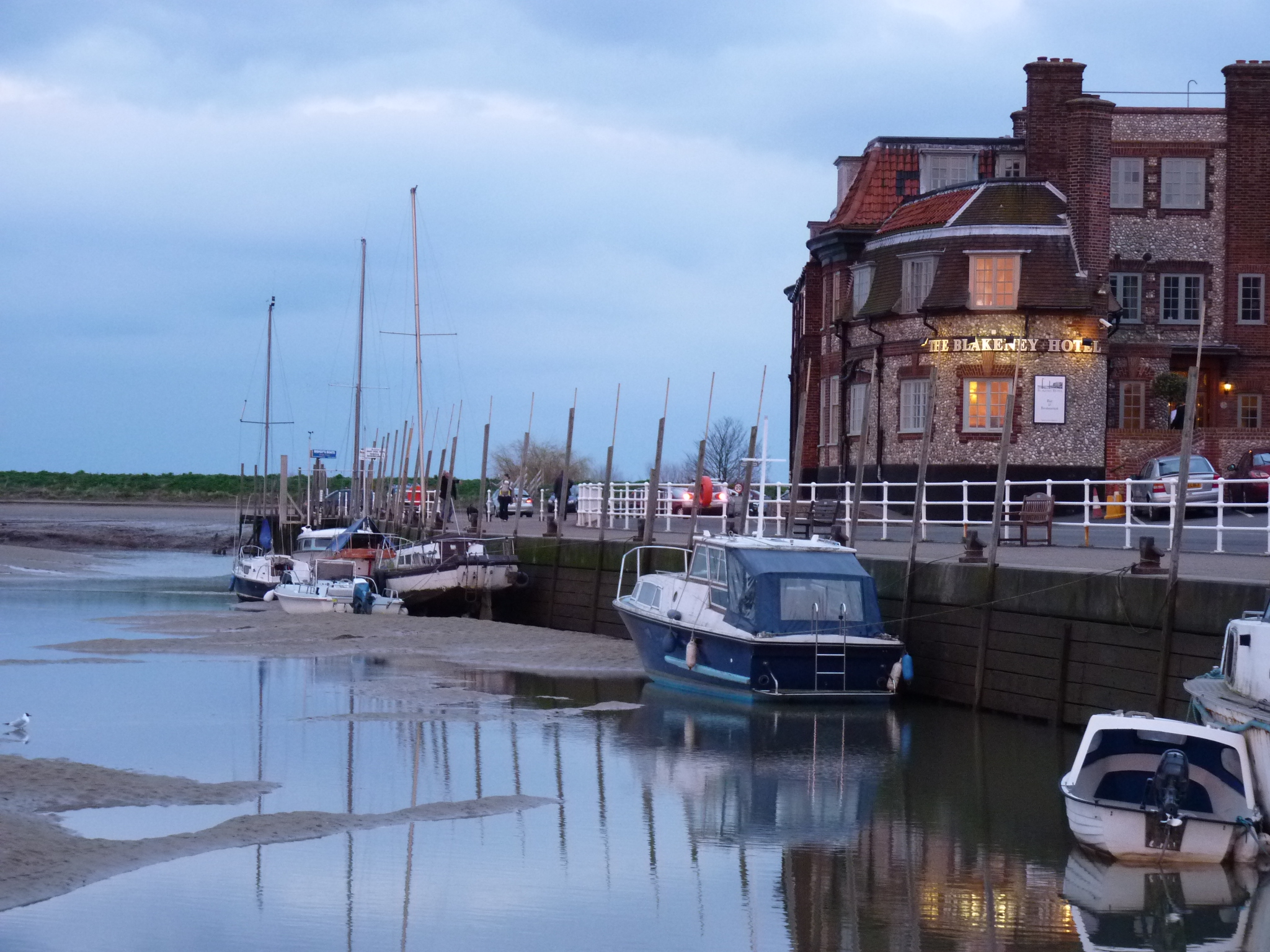
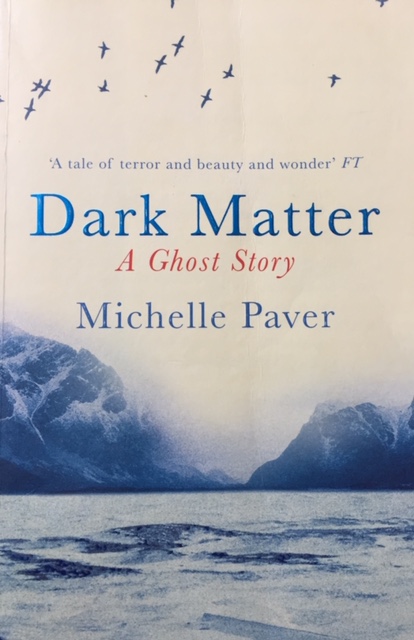

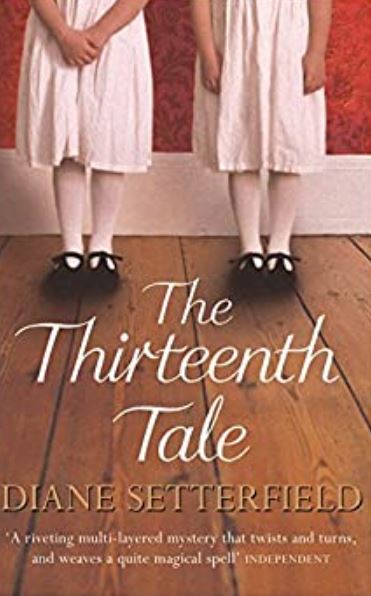 imaginings. Now at the end of her life, Vida wants to expose the truth of her extraordinary life. After hiring a biographer with her own shadowed past the story takes on a gothic peculiarity where the reader is introduced to the Angelfield family, their governess and the devastating fire that altered everything.


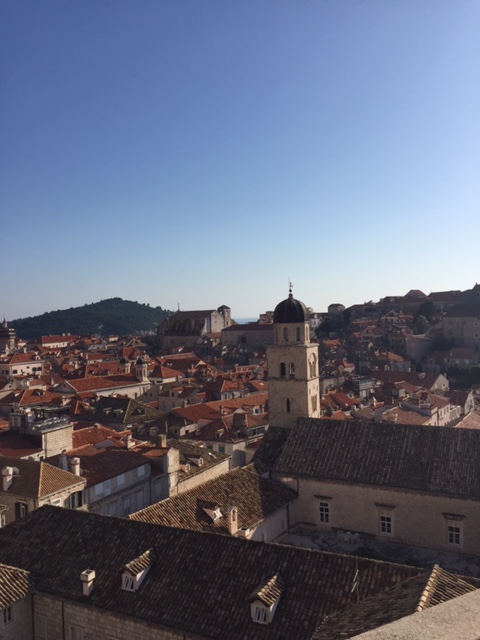
 loveliest outdoor courtyard area overlooking the old city port. This idyllic vista made for the perfect lunch spot. The food was reasonably priced and the service efficient. Whilst this isn’t the spot for you if you’re after an authentic Croatian restaurant, the one where the locals eat, as it is particularly popular with tourists. That being said when you’ve left freezing cold blighty that morning it’s hard to turn down a seafront table with old city port and fortress views.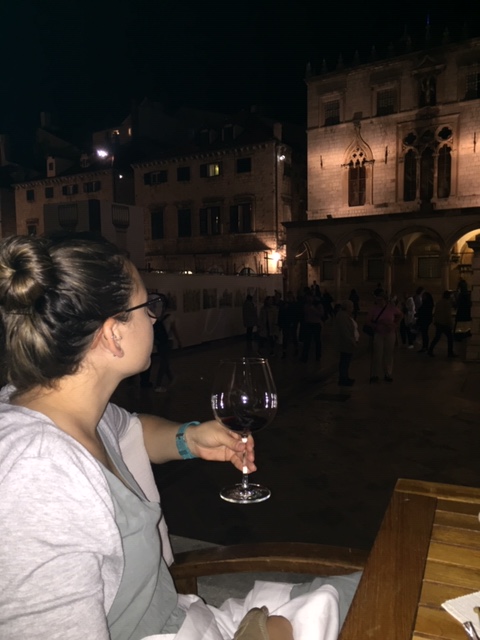
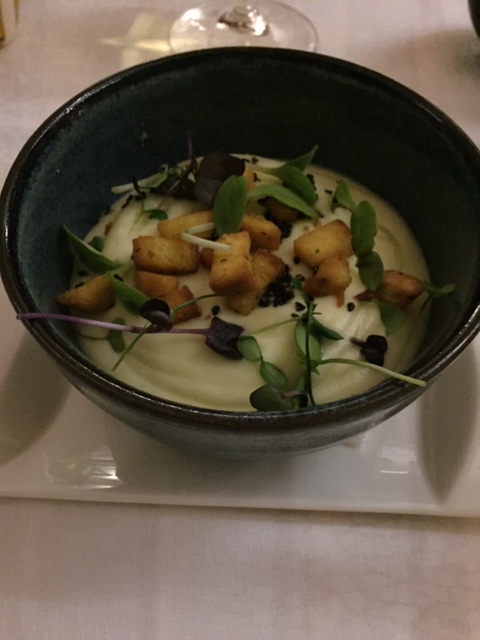 The most beautiful mash potato I have ever seen. Potato wizardry aside, Proto was a slightly more luxurious choice for dinner. However, it was our first night and the food and service were excellent. We were positioned at a beautiful table on the upper terrace overlooking the streets below. I imagine this place is heaving during the summer months. I would absolutely recommend prior booking if you are visiting during this time.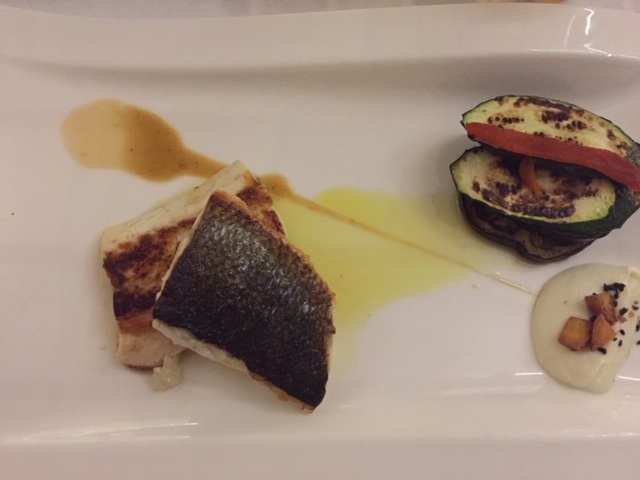


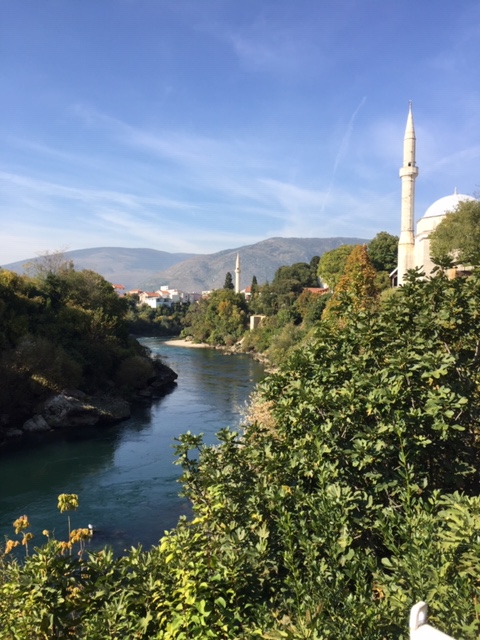 booking an excursion for our second day. Mostar is located around fifty miles from Dubrovnik and is a two-and-a-half-hour direct drive. Bosnia and Herzegovina is not currently in the European Union, as such your passport is essential on this trip.
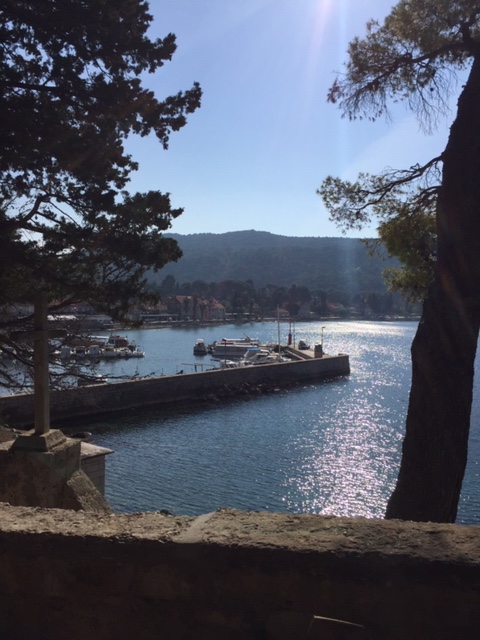
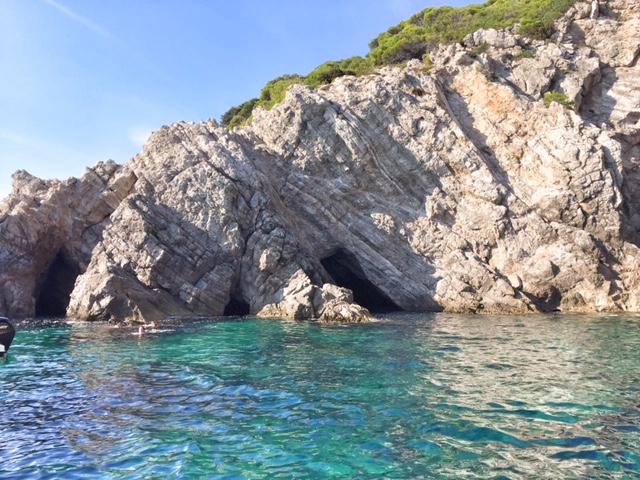 room at the very back for one or two of us. If you’re feeling particularly, brave the cave at the end of the trio is for you. There is the option to swim to the back, under the rock, into an antechamber brings you out the other side of the cliff. I am unashamed to say this was one step too far for my level of bravery. The thought of having to swim, even briefly under the rock fills me with absolute dread. Also, I’ve seen the film The Decent one too many times…Who knows what’s lurking down in the belly of a cave system. However, despite my disappointing lack of courage, I thoroughly enjoyed the snorkelling at the mouth of the three caves. There were so many gorgeous, alluring fish and technicolour starfish who were totally unperturbed by my less than graceful splashing about.
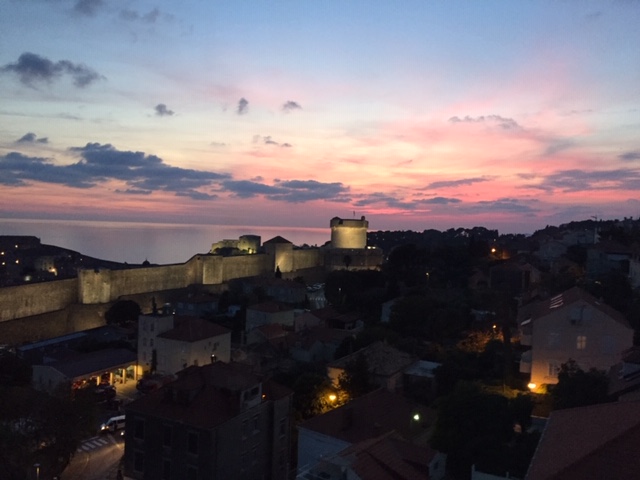
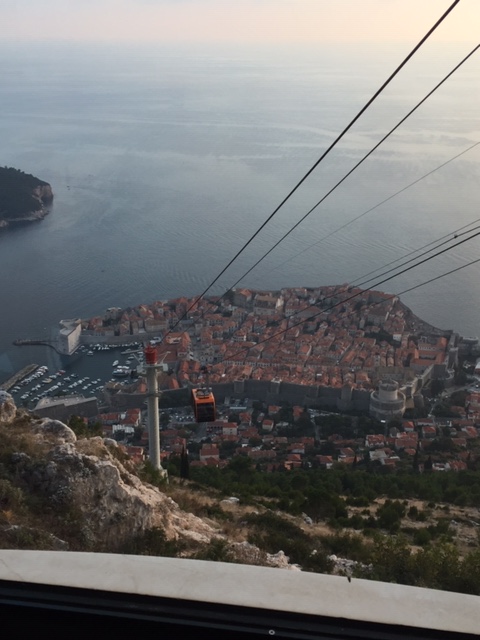


 On our last morning, we breakfasted early and set off for the Red History Museum. The museum presents Croatia’s modern history and what life was like for ordinary people under the Communist regime of Yugoslavia. The more we travel through countries who were occupied by the Soviet Union or experienced socialist movements and communism, the more I am fascinated by these points in history.


 There is a choice of four room types at the Hotel indigo; standard, deluxe, executive or suite. Although comfort is
  enormously important for a hotel room, we always spend so little time in the room on a weekend break I would always opt for a standard room. In this instance, the standard room was just right. A king-size bed, clean en-suite with Aveda toiletries and a killer view of the TV tower. We genuinely couldn’t have wanted much more. I particularly liked the Trevi fountain vibe emblazoned onto the glass wall of the bathroom. Yes, that’s right the back wall of the shower was glass. As I said, this place is a little quirky. However, fear not, there was a carefully placed trident/Roman God thigh covering the sightline from the bed to the toilet. So, no need to avert your eyes whilst your nearest and dearest go about their morning ablutions.
 As part of our flight and hotel deal with BA breakfast was included. I genuinely think a hearty breakfast as part of your stay is always worth it. If you’re anything like me, I’m up early plate loaded, tea in hand and itinerary at the ready. Breakfast at the Hotel Indigo consisted of the usual hot selection of bacon, eggs, sausage and pancakes to continental breads, pastries, cold meats and cheese. With less than two days to explore, I always want to cram as much in as possible. Therefore, not having to find somewhere for breakfast or stop mid-morning for a pick me up helps us cram just a little more into the weekend. Opting for an included breakfast is also a great way to keep the additional costs down.
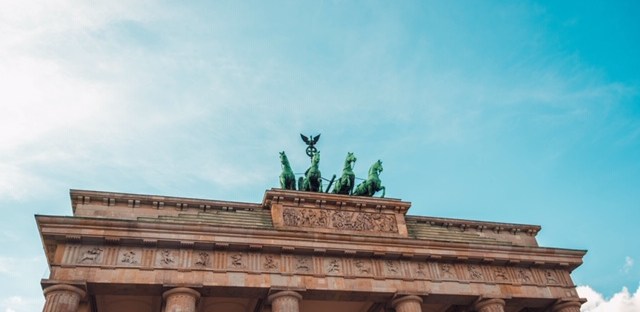
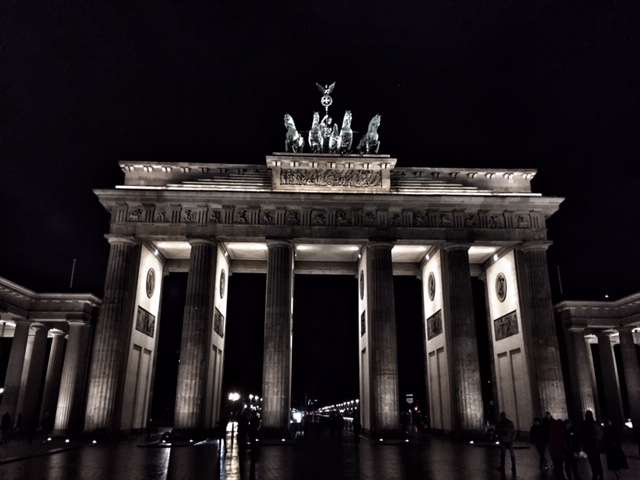
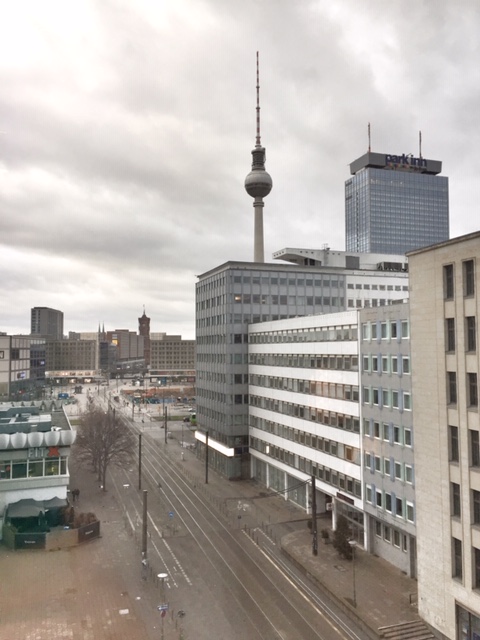 r, this is often a false economy as you could potentially spend that additional cash on public transport in and out of the city each day. For me, weekend breaks are all about getting the base location right. The Hotel Indigo Alexanderplatz is about a fifteen to twenty-minute walk from the Brandenburg Gate and only a five-minute walk from the infamous Berlin TV Tower.
 Take me far and away